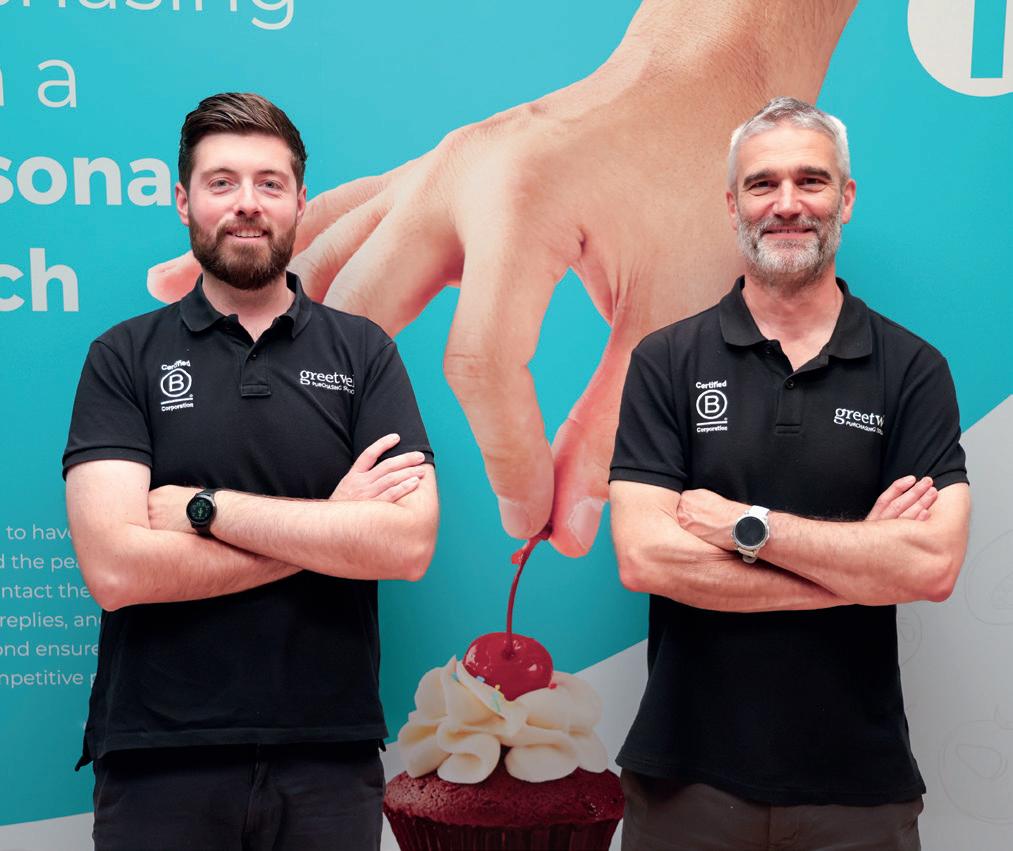
what matters most, helping care teams reduce pressure and protect quality of life for residents. competitive pricing and dependable supply. uncovering cost-saving opportunities without compromising on nutrition, quality, or service. Driven by transparency, providing clear reporting and long-term partnerships that help organisations plan confidently.
At Greetwell Purchasing Solutions, we work alongside care organisations to make purchasing simpler, clearer and more manageable.
We help care homes and groups reduce costs, strengthen supplier relationships and gain better oversight of spend, while protecting quality and resident wellbeing.
With honest pricing, clear reporting and long-term support, we focus on practical improvements that make a lasting difference.
Saving you time, saving you money.
Independent by design
We work for care homes, not suppliers. We review, benchmark and support, ensuring pricing remains competitive and supply chains stay reliable.
Personal in practice
We’re accessible, responsive and hands-on.
Clients know who we are, how to reach us and that we’ll step in quickly when issues arise. We aim to feel like part of the team, not an external layer
Grounded in values
As a certified B Corp and member of 1% for the Planet, we’ve formalised our commitment to responsible, transparent business. We operate as a carbon negative organisation through offsetting and continue working to reduce our footprint further.
For us, doing the right thing and running a commercially sound business go hand in hand.
Chief Editor
Tani Johnson tj@carehomemagazine.co.uk
Publication Manager
James Davies james@carehomemagazine.co.uk
Tel: 01795 509 112
Credit Facilities Manager
Gwen Lee
creditcontrol@cimltd.co.uk Tel: 01795 509 103
Design and Production
James Taylor james@cimltd.co.uk
Grant Waters grant@cimltd.co.uk
Administration Manager
Natalie Woollin admin@cimltd.co.uk
Head of Digital
Xhulio Bishtaja press@carehomemagazine.co.uk
Marketing Manager
Lucas Payne lucas@cimltd.co.uk
Social Media Manager
Lily Lawson press@carehomemagazine.co.uk
Director
Tom Woollin tom@cimltd.co.uk
Managing Director
John Denning
Editor’s Letter August 2026
August’s issue of Care Home Magazine highlights two themes that, though seemingly different cost management and risk- both focus on understanding where funds are allocated and why.
The first feature discusses Energy, Laundry, and Utilities, often overlooked in cost talks but among the most energy-intensive services for operators. Industry experts suggest treating laundry as a cost-control lever, recommending that care homes with in-house laundry monitor usage and those outsourcing scrutinise their provider’s energy and water efficiency.
The second feature examines risk management, pointing out that many costly exposures such as falls, manual handling injuries, and safeguarding issues are often due to improper policy implementation or documentation, as data shows many services are rated below requirements for safety.
The cover story from Greetwell Purchasing Solutions emphasises that procurement, despite being data-driven, still fundamentally relies on trust, responsiveness, and understanding the client.
Elsewhere, our Dishing Up feature brings a Latin American Bean and Butternut Squash Pot from Bidfood, whose Innovation in Motion event also forms the basis of this month’s Editor’s Day Out, where I saw first-hand how creativity and presentation can play as vital a role as the ingredients themselves. Activity of the Month, meanwhile, looks at how National Granny Square Day can foster connection among residents, staff and families throughout August.
Overall, this issue aims to inform, inspire, and support efforts to enhance care environments with practical ideas and fresh perspectives this August.
Tani Johnson, Chief Editor
Table of Contents
8 Stories of Care
Explore how Aneil Manmohan, Head Chef at Hamberley Homes, uses food to create comfort, connection and memory for residents.
12 Cover Story
Discover how Greetwell builds trust through responsiveness and knowing their clients to make procurement personal.
15 Energy, Laundry and Utilities
Re-evaluate laundry and turn it from a fixed overhead into a genuine lever for cost control and sustainability.
27 Risk Management
A comprehensive overview of risks in the care sector and the steps to take to reduce them.
32 CCFTV
Jayne Connery discusses how good risk management balances protection and the quality of residents’ lives.
38 Activity of the Month
Explore how National Granny Square Day can bring your residents and the wider community together in creation.
We care about talent
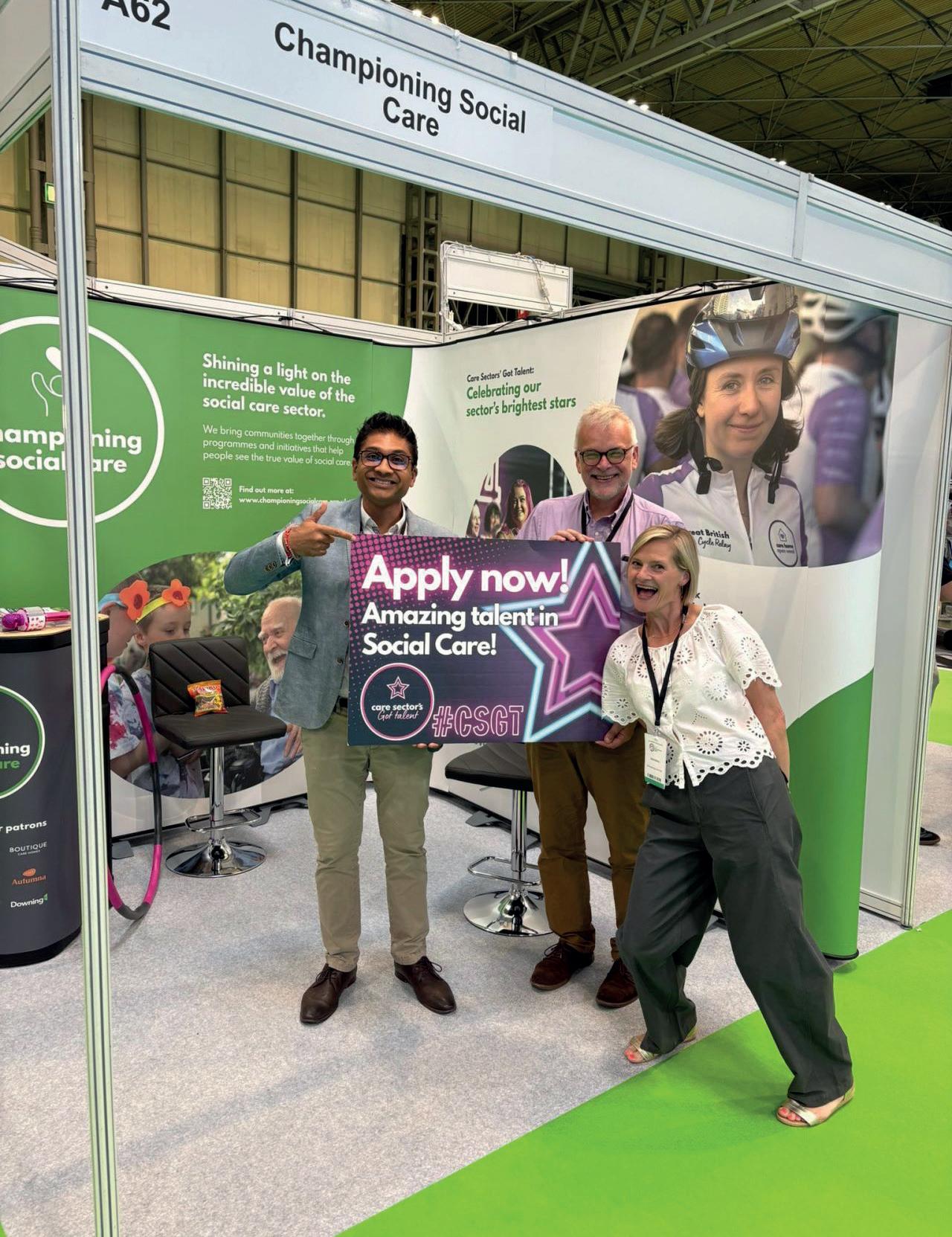
Care Sector’s Got Talent is back for 2026, with a live final held at the Care Show Birmingham NEC in October AND our biggest ever cash prize for the winner. Could it be you?
If Care Sector’s Got Talent has taught us anything over the past few years, it’s that care and compassion aren’t the only skills on show in care homes and other care provisions across the UK. From soloists to choirs, saxophonists, magicians, and dancers, CSGT not only highlights the talents that make us all unique but creates a platform through which they can be showcased.
Applicants can submit a short video application of their talent, with the shortlisted finalists invited to perform to a live audience at the Care Show Birmingham NEC on 7th October. The final, viewed by both a live audience and an esteemed panel of judges, is live streamed to care homes across the country, inviting the teammates, colleagues and residents of our finalists to be part of the action.
The winner of CSGT 2026 will receive a cash prize of £5,000, alongside various invitations and opportunities to perform throughout the year at Championing Social Care events. We also offer a development prize of £1,000 to the judge’s ‘Most Promising’ act, to help them
further develop their talent, and make sure to give all our finalists an experience they will never forget.
But it’s not all glitz and glamour. While Care Sector’s Got Talent is undoubtedly one of the most popular annual campaigns in the Championing Social Care calendar, it does a lot more than just provide a stage for our most talented colleagues.
The aim of CSGT is to reward, to recognise, and to celebrate those who are, more often than not, hidden behind the scenes. From home carers to office workers, admin staff, chefs and cleaners, and even care home residents themselves, when we say that CSGT is a sector-wide celebration of talent – we mean it.
“Care Sector’s Got Talent is a fun initiative with an incredibly important mission. Previous finalists have included residents and professionals alike, each presenting a diverse array of talents. By creating a platform to showcase these talents, we give individuals from all corners of the care sector a chance to celebrate their passions outside of work.
We are more than just colleagues in a sector, and this event and the campaign that backs it is all about celebrating the incredible diversity that our sector is so lucky to have.”
– Co Chairs of CSGT, Angela Boxall and Aneurin Brown.
Applications for Care Sector’s Got Talent are now open. Anyone who works in or around the care sector is invited to apply, by submitting a short video and form via Championing Social Care’s website.
Aneil Manmohan
From the moment you meet Aneil Manmohan, Head Chef at Hamberley Care Homes, his passion is impossible to miss. His infectious smile, boundless energy and genuine warmth shine through in every conversation. For Aneil, food is far more than nourishment. It is comfort, connection, memory and one of the most powerful ways we can show care to another person.
Originally from South Africa, Aneil’s life has been shaped by values of service, generosity and purpose. He describes cooking as a God-given gift that allows him to bring happiness to others every day. Today, as Head Chef at Hamberley Care Homes, he has found a place where those values are shared.
“There are no uniforms,” he says. “Everyone is part of one family.”
Rather than feeling like a workplace, Aneil describes the home as exactly that—a home, where residents and colleagues are treated with warmth, dignity and respect. At its heart is the kitchen.
He believes in cooking with fresh, seasonal ingredients wherever possible, creating colourful,
flavourful meals that lift spirits as well as nourish the body.
His approach was shaped early in his care career.
“I walked into a home where everything was beige, grey and lifeless,” he recalls. “There was no soul in the food.”
The experience became a turning point. When he was later given the freedom to experiment, he reinvented a traditional cottage pie by adding warming spices and topping it with sweet potato instead of mashed potato. The residents loved it. For Aneil, it proved that familiar favourites can still surprise people while preserving the comfort they bring.
Some of his most meaningful moments come when food reconnects residents with cherished memories.
One resident, John, often spoke about the food he grew up eating in Hyderabad and longed to enjoy an authentic Hyderabadi biryani again. Aneil researched traditional methods, sourced the correct ingredients and even built an outdoor fire, completed the necessary health and safety checks, and bought traditional cooking pots so the dish could be prepared exactly as John remembered.
When the meal was served, John said very little. Aneil walked away believing he had failed.
A few days later, after John had passed away, his family asked to speak to him.
They told Aneil that John had spoken constantly about the biryani during his final days. It had transported him back to his childhood, bringing him immense comfort and happiness.
“That meal gave him happiness at the end of his life,” Aneil reflects. “That’s something I’ll never forget.”
It is a reminder that the smallest acts of care often have the greatest impact.
Another conversation has stayed with him ever since.
Some of his most meaningful moments come when food reconnects residents with cherished memories.
Aneil Manmohan
Following the death of a resident, his family thanked Aneil, believing that the thoughtful changes he made to their father’s nutrition had given them eight precious extra months together.
For Aneil, it reinforced what he has always believed: food in care is never just about taste. It is about health, dignity, comfort and quality of life.
When asked what makes someone exceptional in care, his answer is simple: “Compassion, kindness, patience, love for the job and passion for creating amazing memories every day.”
Those values were instilled in him by his grandmother, alongside his mum and aunties, who taught him about home-cooked food, family and preparing every meal with love.
“My gran, along with my mum and aunties, are a big reason I’m in care. That’s where my love for food and family comes from.”
That desire to serve others extends beyond the kitchen. Outside work, Aneil supports young people through a charity he founded in South Africa and partners with another in his hometown, helping young people believe that poverty does not have to define their future.
“I want them to know they can change their lives and their communities.”
Despite the recognition he receives, Aneil says his
greatest reward is seeing residents smile. He enjoys creating menus alongside residents and their families, listening to favourite recipes, honouring traditions and bringing special requests to life.
“When I know they’re looking forward to a meal, that makes me proud of my day.”
Listening to Aneil, it becomes clear that every carefully prepared plate carries far more than ingredients. It has the power to comfort, reconnect people with treasured memories, strengthen wellbeing and remind residents that they are valued.
His story is a powerful reminder that exceptional care isn’t always delivered through grand gestures. Sometimes it arrives quietly, served on a plate, prepared with skill, compassion and love.
By Anoushka Farouk
bit.ly/AccessCareSOC
Nesbit House Hamberley Care Homes
Care Home of the Month Haddenham Park Care Home: Majesticare
Sponsored By
How do technologies like Nobi smart lighting, acoustic monitoring and Alexa+ improve residents’ safety, independence and day-to-day experience?
Technology at Haddenham Park was never intended to replace care delivered by team members; it exists to enhance it. Every system has been chosen to help residents live independently and confidently, while giving families reassurance and freeing the care team to spend more time with the people they support.
Our Memory Care Community uses Nobi smart lighting, which provides adaptive lighting to reduce fall risk and can detect falls when they occur, allowing the team to respond quickly. Rather than intrusive monitoring, it works discreetly in the background, supporting both safety and dignity.
Acoustic monitoring works alongside this, identifying unusual sounds or changes within to make everyday decisions without relying on someone else.
Success isn’t measured by how much technology is installed, but by whether a resident feels more connected, independent and in control of their day. When technology removes small frustrations and reduces risk, it creates more time for genuine connection, allowing the team to focus on conversation
rather than routine tasks. Residents don’t see a collection of gadgets; they simply experience a home that feels easier, safer and more enjoyable to live in.
What was the vision behind the rooftop sensory garden in the dementia community, and how does it support wellbeing and engagement?
The rooftop garden was designed around a single ambition: that a dementia diagnosis should never mean losing the simple pleasures that have always brought someone joy. Time outdoors has recognised benefits for physical health, emotional wellbeing and cognitive function; fresh air, natural light and familiar scents can evoke powerful memories. Rather than a purely functional outdoor space, the aim was to create somewhere residents genuinely want to spend time.
Within the Memory Care Community, the garden gives residents a safe, accessible space to garden, watch birds and wildlife, share coffee with family or simply sit and take in the views across the Buckinghamshire countryside. For residents who have gardened throughout their lives, the chance to keep planting and nurturing flowers helps maintain an identity built over decades.
Designed with sensory planting, seasonal colour and
varied textures, the garden supports both activity and quiet reflection, and hosts gardening clubs, outdoor exercise sessions and intergenerational activities with local schools. Importantly, it is somewhere residents choose to go rather than somewhere they are taken, a distinction that reflects the home’s broader approach to preserving choice and independence.
The same thinking shapes Haddenham Park’s kitchen garden and glasshouse, where residents grow herbs, fruit and vegetables later used by the home’s chefs in seasonal dishes, a home-grown-to-plate experience that gives residents a genuine sense of achievement while encouraging conversation.
Why was it important to include personally selected artwork throughout
the home?
Artwork does far more than decorate walls; it shapes atmosphere and often becomes a starting point for conversation and memory. The design team deliberately avoided anything clinical or institutional, instead choosing pieces that reflect local landscapes, British heritage, and nature, so each lounge, corridor, and communal space has its own character while subtly supporting orientation around the home.
The team regularly see the impact: a painting of rolling countryside might remind a resident of family walks, while a village scene sparks stories about where they grew up. These conversations give the team insight into each resident’s life story, helping to build stronger relationships and more personalised care.
What impact have features like personal doorbells had on residents’
independence, dignity and sense of home?
Personal doorbells are a small detail with a significant impact. Visitors ring or knock before entering a resident’s room, just as they would at someone’s front door, reinforcing that this is a private home rather than another room in a facility. For people who have spent decades answering their own door and
deciding when to welcome guests, maintaining that ritual helps preserve a sense of ownership and control. Always offering choice and independence residents can opt for an unfurnished room, giving them the autonomy to decorate their rooms with cherished and familiar belongings making their space truly their own, preserving a sense of ownership and control.
How do you build and sustain a strong volunteer and community presence, and what benefits does this bring?
Haddenham Park was designed to function as a community hub rather than a standalone facility. It hosts a Timeless Memory Café, Parkinson’s and stroke support sessions, lunch clubs and wellbeing events involving local schools, charities, businesses and volunteers. These partnerships help residents develop new friendships, rediscover old interests, and maintain a sense of purpose, while also challenging outdated perceptions of care homes among visitors, who see a home filled with activity and connection.
What sets Haddenham Park apart when it comes to combining innovation, design and person- centred care?
Rather than starting from a list of luxury facilities, the design process began by asking what helps someone continue living the life they want. That thinking runs through the technology, the rooftop garden, the artwork and details like personal doorbells, alongside amenities including a wellness spa, cinema and private dining rooms.
But facilities alone do not create exceptional care. What distinguishes Haddenham Park is a team that takes time to understand each resident’s life story, interests and routines, and uses that understanding to shape care planning, dining and daily activities. Technology helps anticipate needs and good design creates opportunities, but it is the relationships between the team and residents that turn a welldesigned building into a home.
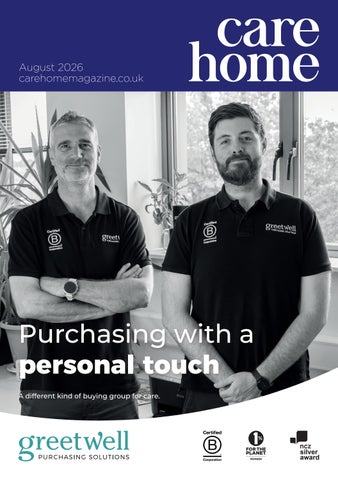
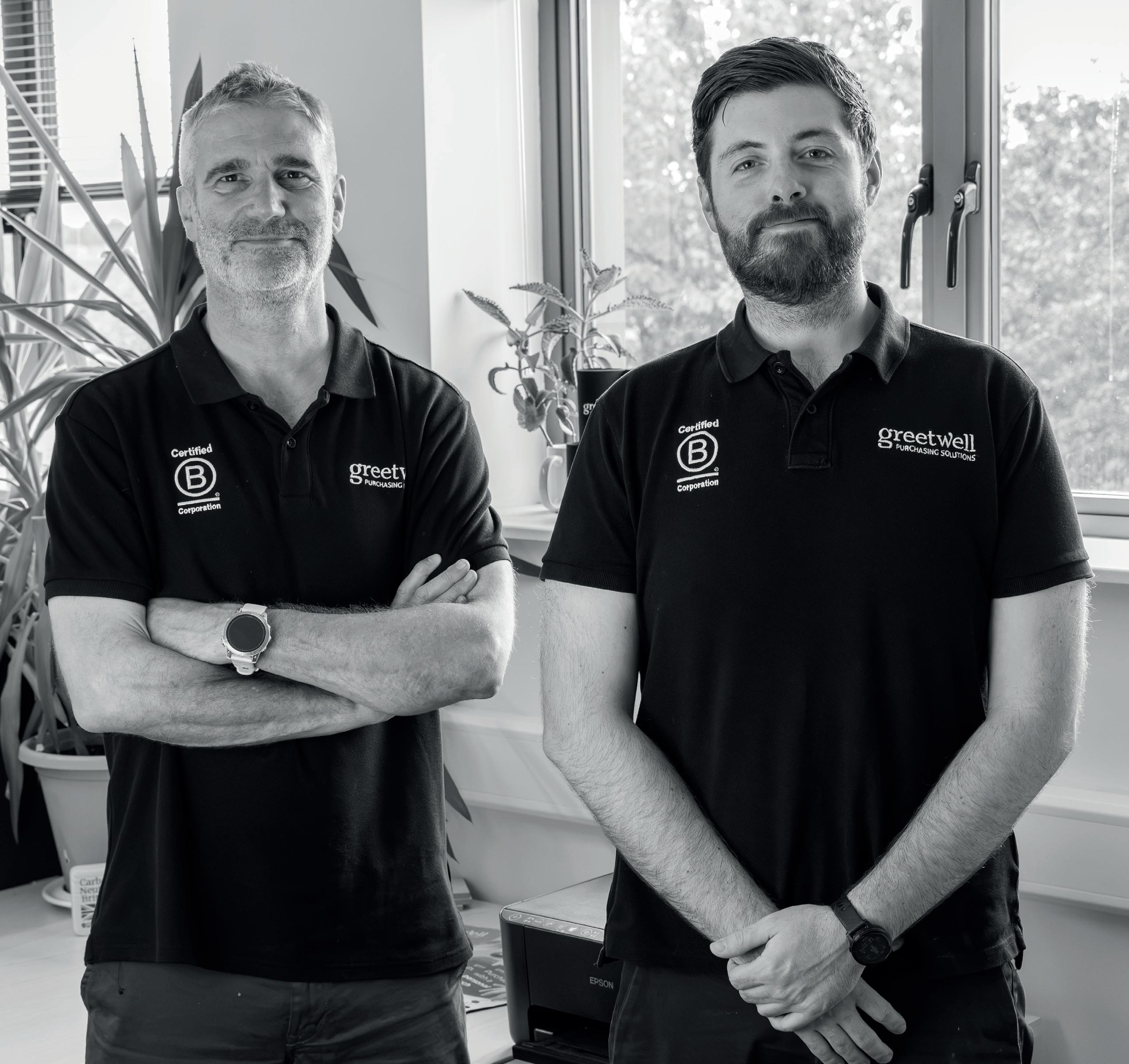
Purchasing with a Personal Touch
As procurement becomes increasingly data-led, Greetwell Purchasing Solutions believes the fundamentals of good purchasing still come down to trust, responsiveness and knowing your client.
A sector transformed by data
The care sector has changed considerably over the past decade. Operators today face mounting financial pressure, rising regulatory expectations, persistent workforce challenges and closer scrutiny over how resources are managed. Alongside this, technology has transformed care home operations, giving providers access to more data, more reporting and greater visibility than ever before.
These developments are, on the whole, positive. Better information supports better decisions. It strengthens accountability, highlights opportunities for improvement and gives providers greater confidence in an increasingly complex operating environment.
Yet despite all this change, one thing has remained remarkably consistent: care is still, fundamentally, a people business. Relationships matter. Trust matters. And when problems arise, providers still want to speak to someone who understands their organisation and is prepared to help solve the issue rather than simply log it.
Built around partnership
That belief sits at the heart of Greetwell Purchasing Solutions. When we founded Greetwell, we felt there was room for a different approach to procurement
support in the care sector. Pricing and purchasing are important, but many organisations were looking for something beyond access to suppliers or contracts. They wanted support, responsiveness and a genuine partnership. That philosophy remains unchanged today.
Procurement is often viewed primarily through the lens of cost reduction, and understandably so.
Care providers continue to operate in a financial environment where every pound is scrutinised. But successful procurement is about more than negotiating prices. It is about ensuring supply consistency, particularly for essential goods, where disruption can directly impact residents. It is about reducing the administrative burden on already stretched managers and finance teams. It is about helping organisations make informed purchasing decisions and providing reassurance when challenges, such as supplier issues or price volatility, arise unexpectedly.
Most importantly, it is about building relationships that stand the test of time, rather than transactional arrangements that must be renegotiated from scratch every time circumstances change.
Knowing the client, not just the account
We often describe ourselves as an extension of our
clients’ teams. That may sound like a simple phrase, but it reflects how we approach our work day-to-day. We know our clients’ priorities and pressures. We are accessible when they need support, and we work alongside them to solve problems as they arise, rather than directing them back to a call centre or a portal.
That personal approach has become more important as procurement itself has evolved. Technology now plays a central role in effective purchasing. Accurate data helps organisations understand spending patterns, monitor supplier performance and identify opportunities for savings or efficiency. At Greetwell, we have invested significantly in systems that give clients greater visibility and control over their purchasing activity.
Where technology fits
However, we have never viewed technology as a replacement for relationships, and we don’t believe it should be. Good reporting should support better conversations, not substitute for them. Better data should inform better decision-making, not remove the need for human judgement. Technology should simplify processes and free up time for people to focus on what matters most, delivering great care to residents.
The best outcomes, in our experience, are achieved when good systems and strong relationships work together, rather than one replacing the other.
Running the business we believe in
That principle also shapes how we run our own business. Greetwell became a Certified B Corporation, reflecting our commitment to high standards of social and environmental performance, transparency
and accountability. We are also members of 1% for the Planet, committing a percentage of turnover to environmental causes, and we operate as a carbonnegative organisation through offsetting, while continuing to work towards reducing our footprint further through operational changes.
These commitments do not change the procurement advice we provide or the day-to-day support we deliver to clients. What they do reflect is the kind of business we want to be, and the standards we hold ourselves to beyond the immediate scope of our contracts.
We believe commercial success and responsible business practice should go hand in hand.
Organisations can be profitable while also contributing positively to their communities and the wider environment. Just as importantly, how a business operates matters as much as what it delivers, particularly in a sector built on trust.
What won’t change
The future of procurement will undoubtedly involve more technology, more data and increasingly sophisticated tools. Care providers will continue to face new challenges, new expectations and increasing complexity, and the tools available to manage that complexity will keep evolving.
But some things are unlikely to change. Care will remain a people business. Successful partnerships will continue to be built on trust, not contracts. And procurement will always work best when it combines practical expertise, clear information and strong relationships.
For us, that is what purchasing with a personal touch really means.
ONLY £24 per month, per property
Energy, Laundry and Utilities
Essential 5
Energy contracts can feel like a box-ticking exercise, but the detail matters. Get it right, and you’ll protect your margins. Get it wrong, and you could be locked into unnecessary costs for years. Here are five areas worth close attention before you commit.
Contract length
The length of your agreement will shape how predictable your costs are. Shorter contracts give you flexibility if prices fall, but leave you exposed when markets spike. Longer deals provide stability but can feel restrictive if rates drop. For many care homes, a two- to three-year term offers a sensible middle ground. It’s also worth factoring in occupancy projections and any planned refurbishments or upgrades that could affect usage.
Price benchmarking
It’s always worth shopping around. Aim for at least three quotes and focus on unit rates rather than headline figures. Make sure you’re working from accurate usage data - your current supplier should be able to provide this. Look beyond the basics too: standing charges, seasonal pricing and exit terms can all vary. If a quote looks significantly cheaper than the rest, dig deeper. It may not include peak usage or could carry penalties elsewhere.
Hidden costs and exit penalties
This is where contracts often become expensive. Early termination fees, admin charges, meter costs, and usage thresholds can all be found in the small print. Ask for a full breakdown in writing and check exactly what’s included in your rate. It’s also important to understand what happens if your circumstances change, such as fluctuations in occupancy or energy use. In many cases, a slightly higher but more transparent tariff works out better in the long run.
Supplier reliability and service
Price is only part of the picture. Day-to-day service matters, particularly when issues arise. Look at complaint data, billing accuracy and how easy it is to access support. A supplier that offers clear reporting and responsive customer service will save time and frustration. It’s also worth checking how flexible they are if you introduce energy-saving measures; some contracts are less accommodating than others.
5 4 3 2 1
Future-proofing
With increasing focus on sustainability and carbon reduction, your energy contract should support, not hinder, your longer-term plans. Check whether you can introduce renewable options or efficiency upgrades without penalties. Forward-thinking suppliers are starting to offer more flexible arrangements that align with net-zero ambitions. Choosing the right partner now can make it easier to adapt later, while supporting both cost control and environmental goals.
Laundry’s Hidden Utility Costs
Mark Conron, Group Head of Customer Communications at Nisbets UK, and Greenshield Group examine how linen specification, stock management and supplier selection are turning laundry from a fixed overhead into a genuine lever for cost control and sustainability in care homes.
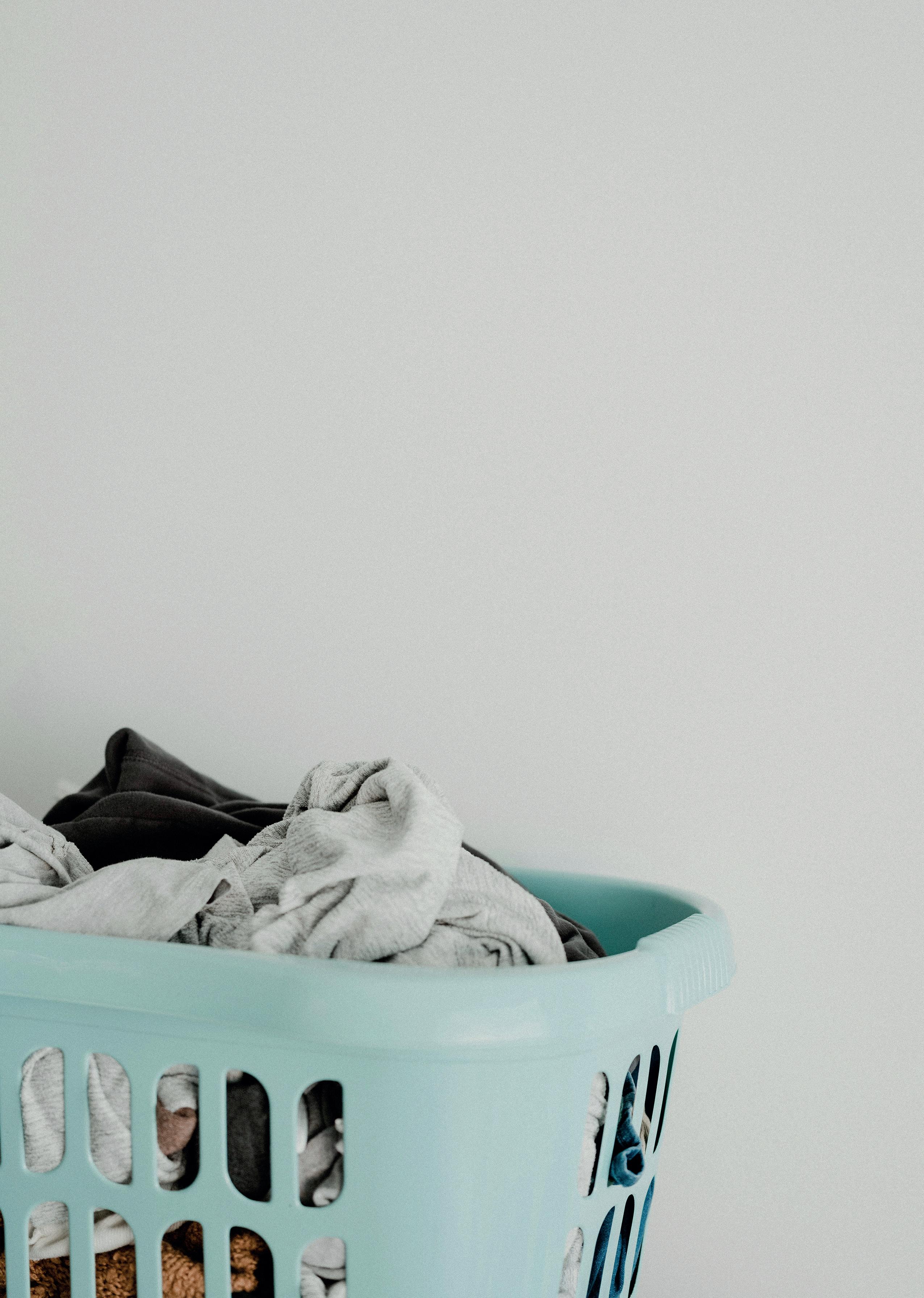
Laundry rarely features in the headline conversations about care home costs, yet it is one of the most energy-intensive services many operators run. Hot water heating, tumble drying and the power draw of commercial washing equipment combine to make laundry a significant, and often under-scrutinised, line on the utilities bill. Add in the volume of detergents, softeners and disinfectants used across a typical week, and the true cost of “clean” becomes considerably harder to ignore.
For most homes, the real question is not whether laundry costs money, but whether it is being run as efficiently as it could be, and whether the choice between in-house and outsourced provision is being made on evidence rather than habit.
In-house vs. outsourced
The debate over the most effective model rarely has a definitive answer, with sustainability data increasingly shaping the conversation. Greenshield Group advises that operators managing laundry on-site should stop viewing it as a fixed energy cost. By implementing proper monitoring, homes can analyse demand
patterns, identify inefficient or aging equipment, and evaluate options such as tariff switching, solar power, battery storage, or voltage optimisation to reduce costs and lower their carbon footprint. This analysis can be crucial because many care homes assume their existing equipment, inherited from previous providers or purchased years ago, remains efficient; without data, these assumptions go unchallenged.
For homes that outsource, the same sustainability considerations should still guide decision-making, just applied to different choices. Greenshield Group suggests that laundry providers who invest in renewable energy, water efficiency, heat recovery, and low-emission transportation are generally better positioned to control their operating costs. This usually results in more stable prices for care home clients in the long run, as providers less affected by fluctuating energy and water costs are less likely to pass sudden increases downstream.
This shifts the debate from an in-house versus outsourced model. It is less about which is inherently more sustainable and more about whether each model is actively managed for efficiency rather than left to legacy practices.
Reducing the wash before it happens
Reducing energy and chemical use involves not only how laundry is processed but also how much laundry requires processing initially. Linen specifications and stock management play crucial roles that are often overlooked.
Mark Conron, Group Head of Customer Communications at Nisbets UK, emphasises the importance of par level optimisation. Maintaining sufficient spare stock enables linen to be rotated and rested for 24 to 48 hours after washing and drying, preferably on slatted shelves in a cool, dry space. This resting period helps rehydrate and relax cotton fibres, prolonging the item’s lifespan and reducing the frequency of replacements, which decreases the embedded energy and chemicals needed for manufacturing new stock.
Material choice also impacts sustainability. Nisbets has introduced an eco-range through its Mitre Linen brand, featuring 100% organic cotton sheets alongside duvets and pillows filled with recycled hollowfibre from plastic bottles. Conron highlights that products like these lower carbon dioxide emissions and water use by 70% and reduce energy consumption by 40% compared to standard fibre production.
Green chemistry
Lower-temperature washing and reduced-chemical detergent systems are often pitched primarily as an environmental improvement, but the cost case deserves equal attention. Washing at lower temperatures cuts the energy needed to heat water, which is typically the largest single energy cost in the laundry process. Reduced-chemical or enzyme-based detergent systems can lower product consumption and, in some cases, reduce the frequency of machine descaling and maintenance, since lower chemical
Using green products for washing fabrics like bedding and clothes in a care home has the potential to enhance residents’ wellbeing. If a resident is sensitive to certain detergents and switching to a green alternative alleviates that sensitivity, it can improve their comfort and lessen reactions to daily contact with fabrics. Above all, always prioritise the resident experience when modifying laundry procedures.
The caveat is that green chemistry only delivers if hygiene standards are not compromised, particularly given infection control requirements in care settings. Any switch should be validated against relevant hygiene standards before being rolled out, rather than assumed to be equivalent on the basis of supplier marketing alone.
Sourcing responsibly
Sustainability does not end when linen leaves the machine. Nisbets has partnered with TFR Group to allow old linens to be recycled rather than sent to landfill. Initiatives such as this extend the sustainability conversation beyond energy and chemicals and consider end-of-life material management, an area care homes are increasingly being asked about by families, commissioners and regulators alike.
The practical takeaway
Whether laundry is run in-house or outsourced, the direction of travel is the same: sustainability and cost control are no longer separate considerations. Homes that treat laundry as a managed, data-informed service, rather than a fixed overhead, are better placed to control costs, extend the life of their assets and respond credibly to growing scrutiny of their environmental impact.
residue means less mineral build-up in equipment over time.
Washing Wisely
Debbie Jones, National Account Manager at Miele Professional UK, looks at how care homes can cut laundry-related energy use without compromising hygiene or resident care.
With continued pressure on energy costs and growing expectations around sustainability, energy efficiency has become a defining priority for UK care home operators. Providers are increasingly reassessing where savings can be made without compromising standards of care, and laundry, one of the most resource-intensive functions in any care setting, is now central to that conversation.
Care home laundry facilities operate continuously throughout the day, processing everything from bed linen and towels to residents’ personal clothing. This places significant demand on water, electricity and heat. Yet despite that pressure, standards cannot slip, particularly for more vulnerable residents. Correctly processed laundry plays a direct role in infection prevention, comfort and dignity, not simply presentation.
This raises a clear question: how can care homes reduce energy consumption while still delivering safe, compliant, high-quality laundry outcomes?
On-premise laundry (OPL) is one route providers are exploring. Processing textiles in-house gives care teams greater control, reducing reliance on external services,
minimising lost items and cutting transport-related energy use. It also allows staff to respond quickly to individual needs, whether that means prioritising certain loads or maintaining consistency in how residents’ garments are handled.
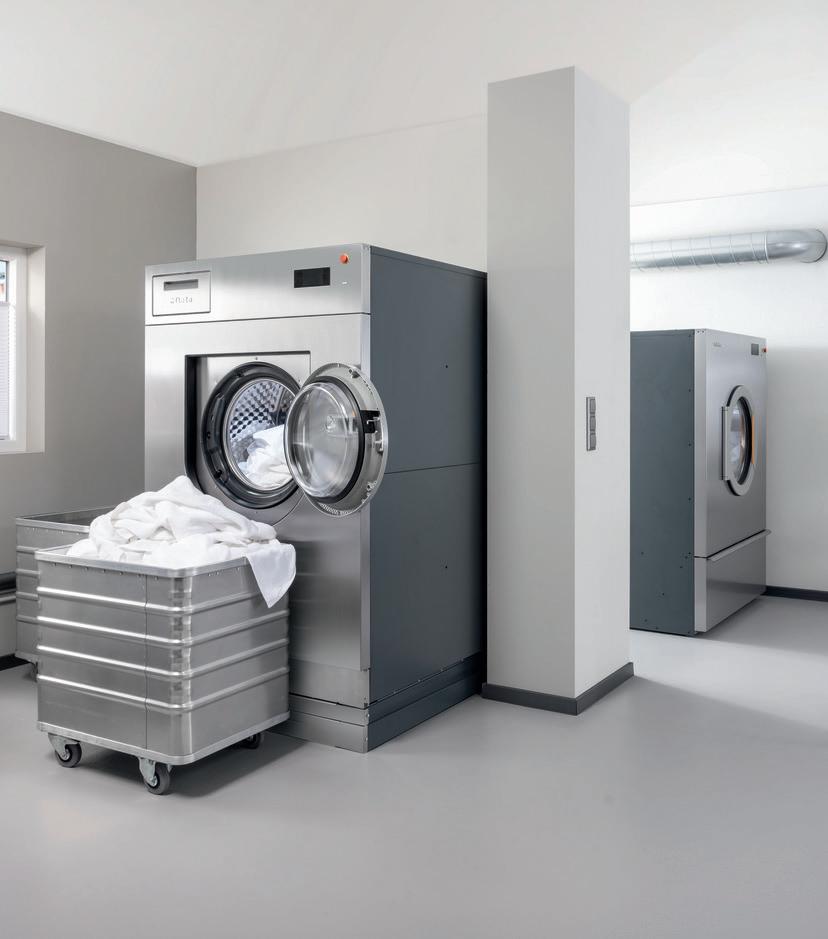
The efficiency of any OPL setup, however, depends heavily on the equipment behind it. Domestic machines, still used in some smaller homes, were never designed for continuous commercial use. Lower load capacities, longer cycle times, limited hygiene programming and higher resource consumption can all restrict productivity and push up running costs over time.
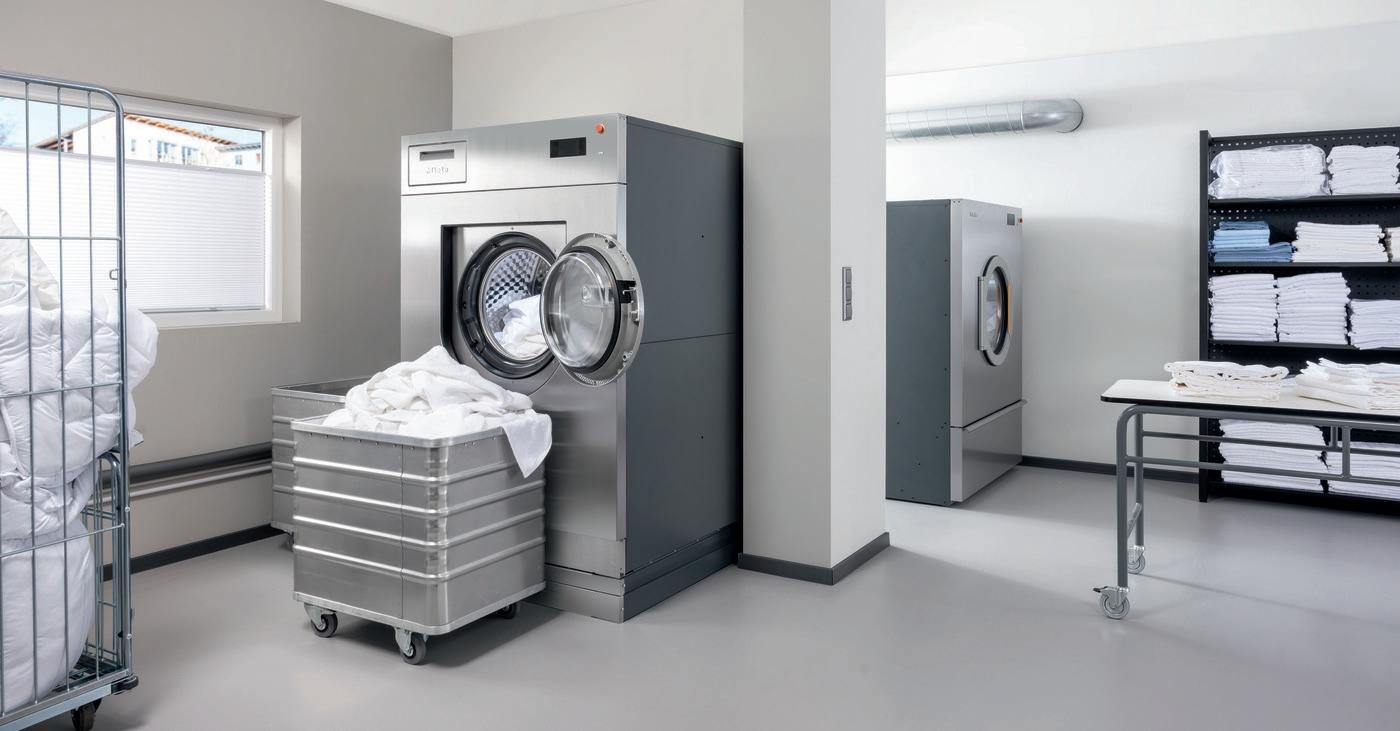
Commercial laundry systems are designed specifically to address this. Miele Professional’s Benchmark range, for example, is built for highthroughput environments, with machines tested for up to 30,000 hours of operation at full capacity, intended to reduce disruption from breakdowns in demanding care settings.
Efficiency-focused technology also plays a part. High-performance spin speeds remove more moisture during the wash cycle, cutting drying time and associated energy use, while intelligent programme controls adjust water, energy and detergent levels to each load, aiming to maintain hygiene performance while reducing waste. According to Miele, its Benchmark systems can achieve up to 17% lower water consumption and 30% less energy use than earlier models, with heat pump dryers cutting energy use by as much as 60% compared with conventional dryers.
Across multiple daily cycles, these savings accumulate. Even small reductions in energy use can translate into meaningful cost savings over a year, helping providers manage tight budgets while maintaining hygiene and presentation standards.
There is also an operational benefit. Equipment built for continuous use tends to experience fewer breakdowns, which means fewer disruptions to laundry schedules during busy periods, and less pressure on staff managing day-to-day operations.
As care homes continue to balance financial pressure with rising expectations, laundry is becoming a more strategic function rather than a background task. Get the equipment and processes right, and it can support energy efficiency, compliance and care standards simultaneously, rather than forcing a trade-off between them.
Laundry efficiency, sorted
Rachael Bancroft, Customer Contact Manager at WASHCO, shares how care homes can achieve greater efficiency, reliability and long-term laundry success.
Every day, care homes process significant volumes of bedding, towels, residents’ personal clothing, mops, and cloths. The effectiveness of this operation affects far more than cleanliness alone. It influences compliance with infection prevention standards, resident and family satisfaction, sustainability goals and the financial performance of the home. By taking a strategic approach to laundry management, care providers can unlock opportunities to improve outcomes across the organisation.
A useful starting point is to evaluate laundry operations through three key areas: people, process and equipment. Each plays an essential role in creating a laundry service that is reliable, efficient and fit for purpose.
Putting people at the centre
Laundry staff often have the clearest understanding of operational challenges. They are well placed to identify inefficiencies, workflow bottlenecks and areas where additional training may be required. Engaging with these team members can provide valuable insights that help managers improve performance and reduce avoidable costs.
Staff training is particularly important for infection prevention and control. Clear procedures, regular refresher training and ongoing supervision ensure employees understand how to handle contaminated items safely and consistently. Appropriate use of personal protective equipment (PPE), correct segregation of laundry and adherence to established workflows all contribute to reducing the risk of crosscontamination.
Investing in the laundry team also brings wider benefits. Modern equipment, effective training programmes and safe, comfortable working environments can improve job satisfaction and productivity. In a sector that continues to face recruitment and retention challenges, creating better working conditions can help support workforce stability while ensuring residents receive a consistently high standard of service.
Reviewing the entire laundry process
Effective infection control begins long before laundry reaches the washing machine. Care homes should regularly review the complete journey of laundry, from collection and sorting through to washing, drying, storage and return to residents.
Rachael Bancroft
Contaminated items must be properly identified, segregated into red bags and transported to minimise infection risks. Equally important is protecting clean laundry once it has been processed. Inadequate storage practices or poorly designed workflows can reintroduce contamination and undermine otherwise effective laundering procedures.
Dedicated clean and dirty workflows should be clearly defined within the laundry area. Regular audits and process reviews can help ensure procedures remain effective and compliant with best practice standards. By examining each stage of the operation, providers can identify opportunities to improve efficiency, reduce handling times and maintain consistently high hygiene standards, as per the HTM0104 guidelines.
An efficient process also supports resident dignity. Personal clothing and belongings are closely linked to comfort, identity and wellbeing. Lost, damaged, stained or delayed garments can cause distress for residents and frustration for relatives. Well-organised systems that ensure clothing is returned promptly and in good condition reinforce confidence in the quality of care being delivered.
Choosing the right equipment
Selecting appropriate laundry equipment is one of the most important decisions a care provider can make. While it may be tempting to focus on budget-friendly options, incorrectly specified equipment often creates significant long-term expense.
Capacity planning should take into account factors such as bed numbers, resident dependency levels and anticipated linen throughput.
Rather than relying on a single large machine, many care homes benefit from a combination of differentsized washers. This approach provides greater operational flexibility and allows different textile types to be processed separately, helping to improve wash quality and efficiency.
Commercial washing machines used in healthcare environments should also be Regulation 4 rated to help prevent water contamination risks. Professional suppliers can advise on compliance requirements and ensure equipment is suitable for the specific needs of the home.
Before installation, it is important to assess that the necessary infrastructure is available. Commercial washers and dryers require dedicated electrical supplies, water connections, drainage systems and ventilation arrangements. A professional site survey can identify any requirements in advance, including equipment access, and help avoid costly unexpected installation challenges.
Looking beyond purchase price
When evaluating equipment options, providers should consider total cost of ownership rather than focusing solely on purchase price. Smaller or lowercost machines may initially appear attractive, but can
require additional wash cycles, consume more energy and increase labour requirements.
Unexpected breakdowns, repair costs and changing operational demands can further increase long-term expenditure. Service agreements, which include maintenance and support within a predictable monthly plan, may offer a more sustainable solution for many care homes. Such arrangements can also provide opportunities to upgrade equipment as needs evolve.
Supporting sustainability goals
Laundry is among the most resource-intensive functions within a care home, but it also presents significant opportunities to reduce environmental impact. New generations of laundry equipment are designed to use less water, energy and detergent while maintaining excellent hygiene standards.
Features such as intelligent wash programmes, moisture-sensing dryers, auto-dosing systems and heat pump technology can help reduce utility consumption and lower operating costs. Correctly sizing equipment and maintaining it properly further improves efficiency and extends operational life.
These improvements help providers meet CQC Quality Statement 34 in relation to sustainability and carbon reduction objectives, while delivering measurable long-term savings.
A Strategic Operational Priority
Laundry should no longer be viewed as simply a support service. It influences infection control, compliance, resident satisfaction, workforce wellbeing, sustainability performance and operational efficiency. By reviewing people, processes and equipment together, care providers can create a laundry operation that delivers measurable value across the organisation today and into the future.
The Bean Benefit
A warming, spiced bean stew for autumn menus, developed by Bidfood’s Care Team to help operators build variety and nutrition into weekly cycles.
Beans are a practical addition to any care home menu. They’re a good source of fibre, micronutrients and protein, relatively low-cost, and low in carbon, with the added benefit of enriching soil through nitrogen fixation as they grow. They’re versatile too, working equally well in soups, stews, salads and bakes, which makes them easy to build into weekly menus without residents tiring of them.
This autumn recipe puts beans centre stage. The Latin American Bean and Butternut Squash Pot combines five bean salad, chickpeas, and butternut squash with warming spices, including cumin, coriander, and a hint of chilli, finished with tomatoes and sweetcorn for a hearty, colourful stew. It works well served on its own, with rice, or with crusty bread for dipping, making it easy to adapt to different appetites across a home.
The recipe forms part of Bidfood’s wider menu cycles, which are aligned with the BDA Care Home Digest and
Ingredients
• 200g red onion
• 200g mixed peppers
• 400g butternut squash
• 20ml vegetable oil
• 5g ground cumin
• 5g ground coriander
• 1g hot chilli powder
• 20g garlic puree
• 800g five bean salad
• 1kg chopped tomatoes
• 200g chickpeas in water
• 150g frozen sweetcorn
• 40g tomato paste
• 500ml water
• 20g gluten-free vegetable bouillon paste
Method
• Wash, peel and dice the vegetables.
• Heat the oil in a pan and add the onion. Cook for a couple of minutes, then add the butternut squash and peppers and fry until tender.
• Add the garlic and spices and mix well.
• Add all remaining ingredients and bring to the boil.
• Simmer until the sauce has thickened and is piping hot.
developed with input from the company’s Nutrition Manager, Heather Dolan, to help operators meet residents’ protein and nutrient requirements. Bidfood’s specialist Care Team also works with operators on the broader challenges of catering for residents with conditions such as dementia, diabetes and dysphagia, with support available through the Interactive Care Home, an online resource offering room-by-room guidance, recipes and product brochures, and Caterers Campus, a free e-learning platform with modules covering dysphagia, fortification and hydration.
The recipe also reflects Bidfood’s wider push on beans specifically. Last November, the company became the first UK wholesaler to join the Food Foundation’s Bang in Some Beans campaign, which aims to double UK bean consumption by 2028.
For more recipes, visit bidfood.co.uk/care-homes
The healthcare & care home interior design specialists
Catalyst Interiors is revolutionising the world of interior design with our ground-breaking experiential approach to dementia care environments!
• Residential Care • Nursing Care • Dementia/Memory Care
• Retirement Living • Care Villages • Assisted Living
• Medium Secure • Mental Health Services • Addiction • Autism
Scan here to see our award-winning care home interiors
Risk Management
Protecting Lives Through Certified Excellence
With over 25 years of specialist expertise, Regal Fire & Protection is the UK’s trusted partner for fire door installation, maintenance and inspection — certified by BMTRADA and holding CHAS Elite accreditation.
Inspection
Complete compliance assessment of all fire doors.
BMTRADA certification provided — ensuring your building meets every regulatory requirement.
Installation
Fully certified fire door sets installed by qualified specialists. Every component is compatible, tested and documented for full traceability.
Maintenance
Legal compliance under the Regulatory Reform (Fire Safety) Order. Ongoing maintenance contracts with digital reporting and client portal access.
Essential 5
Bringing external contractors into a care setting always carries risk. The key is not avoiding it altogether, but managing it properly. A few thorough checks upfront can prevent safeguarding issues, compliance breaches and costly disruptions later on.
Qualifications and certifications
Start with the basics, but don’t cut corners. Always request original documentation and, where possible, verify credentials through the relevant governing bodies. Public Liability Insurance is a minimum requirement, not a bonus. Outdated or missing paperwork should be treated as a red flag. Keep everything on file so you’re covered for CQC inspections and audits.
References and track record
A reputable contractor should be able to evidence their experience in care environments. Ask for at least three references from similar settings, and follow up with them directly. It’s worth asking specific questions: were they reliable, how did they handle issues, and would you use them again? For larger projects, seeing previous work can be invaluable. If references are vague or unavailable, it’s usually a sign to look elsewhere.
DBS checks and safeguarding
If a contractor will be anywhere near residents, safeguarding requirements apply. Check that DBS certificates are valid and appropriate for the role, and confirm dates. Those working regularly on site should also have enhanced checks and a clear understanding of safeguarding responsibilities. Keep a clear record of what’s been verified; this is essential for compliance and peace of mind.
Insurance and liability
Insurance is non-negotiable. As a guide, most contractors should hold Public Liability cover of at least £10 million and, where relevant, Employers’ Liability Insurance. Make sure the policy actually reflects the work being carried out, and always check expiry dates. Having the right cover in place protects both your finances and your reputation if something goes wrong.
5 4 3 2 1
Communication and professionalism
How a contractor communicates early on is usually a good indicator of how they’ll perform. Look for clear, timely responses, written quotes and a willingness to understand how your home operates. They should be mindful of residents, routines and the wider environment. Poor communication at the start often leads to disruption later; something no care home can afford.
Balancing Risk
Jayne Connery FRSA FRSPH, Founder and Director of Care Campaign for the Vulnerable (CCFTV), discusses how good risk management must protect vulnerable people while enabling them to live meaningful, independent lives.
Risk management is ultimately about people. It is about protecting vulnerable individuals while ensuring they can continue to live meaningful, fulfilling lives.
As Founder and Director of Care Campaign for the Vulnerable, I have spent more than thirteen years supporting families and working alongside care providers across the UK. I have attended safeguarding meetings, Best Interest meetings, Continuing Healthcare assessments and countless conversations with families facing difficult decisions. I have visited hundreds of care homes and dementia communities. What I have learned is that the greatest challenges around risk management do not stem from a lack of care, commitment or compassion. More often, they stem from fear.
I have met dedicated managers and care teams who want to do the right thing but are understandably concerned about complaints, regulatory scrutiny, safeguarding investigations and the consequences of getting something wrong. In today’s environment, there can be a temptation to become increasingly riskaverse.
When risk management focuses solely on preventing harm, we can unintentionally remove independence, choice and quality of life. In trying to protect people, we can sometimes overlook what makes life worth living.
For people living with dementia, this balance is particularly important. Care providers make daily decisions about mobility, activities, social engagement, access to outdoor spaces and personal choice. Good risk management is not about wrapping people in cotton wool. It is about understanding risk, assessing it proportionately and supporting people to live as fully
and independently as possible.
Throughout my visits, I have seen outstanding examples of positive risk management. Providers who work closely with families and recognise that individuality does not disappear when someone moves into care. Homes where thoughtful design, meaningful activities and community help people feel safe, valued and respected. These providers understand that dignity, independence and wellbeing are not separate from safety; they are part of safety.
I have also seen technology’s growing role in supporting good risk management. When used ethically, transparently and with consent, it can provide reassurance, support staff, identify concerns earlier and strengthen confidence for both families and providers. Technology should never replace human care, but it can help create safer environments while supporting greater independence.
Effective risk management is rooted in culture. The strongest organisations are those where staff feel confident raising concerns, learning from incidents, and having open conversations without fear of blame.
As our population ages and the number of people living with dementia continues to rise, the sector faces increasing complexity. This makes balanced, personcentred risk management more important than ever.
The question should never be how we eliminate all risk. Instead, we should ask how we can support people in living well while managing risk responsibly, compassionately, and with dignity.
When providers, families and professionals work together, we create care environments that are not only safer, but also more empowering, more compassionate and more reflective of the lives people wish to lead.
Closing The Gaps
From falls and safeguarding to sharps disposal and cyberattacks, care homes face a widening set of exposures. Amy Ticehurst from Specialist Risk Group and Jenna Davies-Leach from Vernacare explain where the costliest gaps really lie, and what closes them.
Risk management has always sat at the heart of good care, but the scope of what “risk” means has widened considerably. Resident needs are becoming more complex, workforce pressures show no sign of easing, and newer threats such as cyberattacks are now firmly on the agenda. For care home leaders, thinking about risk in isolation, one incident type at a time, is no longer enough.
Where the costs really fall
Falls, staff injuries, medication errors and safeguarding concerns remain the most frequently recorded incidents across the sector, according to Amy Ticehurst, Development Executive at Specialist Risk Group. Falls are significant simply because of how often they occur, and because they can cause serious injury, particularly among older or frailer residents. Staff injuries follow closely behind: manual handling is the second most common cause of non-fatal workplace injury in Great Britain, accounting for 17% of all cases, with back injuries making up 43% of work-related musculoskeletal disorders nationally, according to Health and Safety Executive figures.
Medication errors appear less often in insurers’ claims data but can be costly when they occur. The most expensive incidents by far, however, are safeguarding concerns and allegations of neglect, which typically bring lengthy legal proceedings, regulatory scrutiny and reputational damage alongside any compensation. As Ticehurst puts it, no provider can eliminate risk
entirely. What matters is whether risks are identified, managed and properly documented.
The gap between policy and practice
Documentation is where many homes fall down. Ticehurst describes a recurring pattern: strong policies exist on paper, but aren’t always followed consistently day to day. Risk assessments can drift into a tick-box exercise instead of a living document that evolves with a resident’s needs, and gaps in record-keeping make it difficult to prove good care was delivered, even when it was.
The scale of the issue shows up in regulatory data. Under the CQC’s Single Assessment Framework, 26% of adult social care services were rated “Requires Improvement” and a further 5% “Inadequate” on the Safe key question in 2025, the domain covering safeguarding, risk management and medicines records. High staff turnover and reliance on agency workers can compound the problem, making consistent training harder to embed across care teams.
Getting the basics right
Reducing these high-frequency incidents rarely requires anything exotic. For falls, regular review of residents’ mobility, health conditions, medication and environmental hazards makes a measurable difference: NICE guidance suggests individualised, multifactorial assessment can reduce falls among high-risk older adults by 20 to 30%. For staff injuries, moving and handling training needs to be refreshed regularly and
backed by competency checks, not treated as a boxticked exercise done once and forgotten.
Infection control as a risk category in its own right
Alongside these operational risks sits a category that rarely gets the same attention: infection prevention and clinical waste. Jenna Davies-Leach, Global Product Manager for Clinical Waste Management at Vernacare, points to respiratory infections and gastrointestinal illnesses such as norovirus as ongoing concerns, but says the bigger issue is usually inconsistent application of basic measures such as hand hygiene, PPE use and sharps disposal.
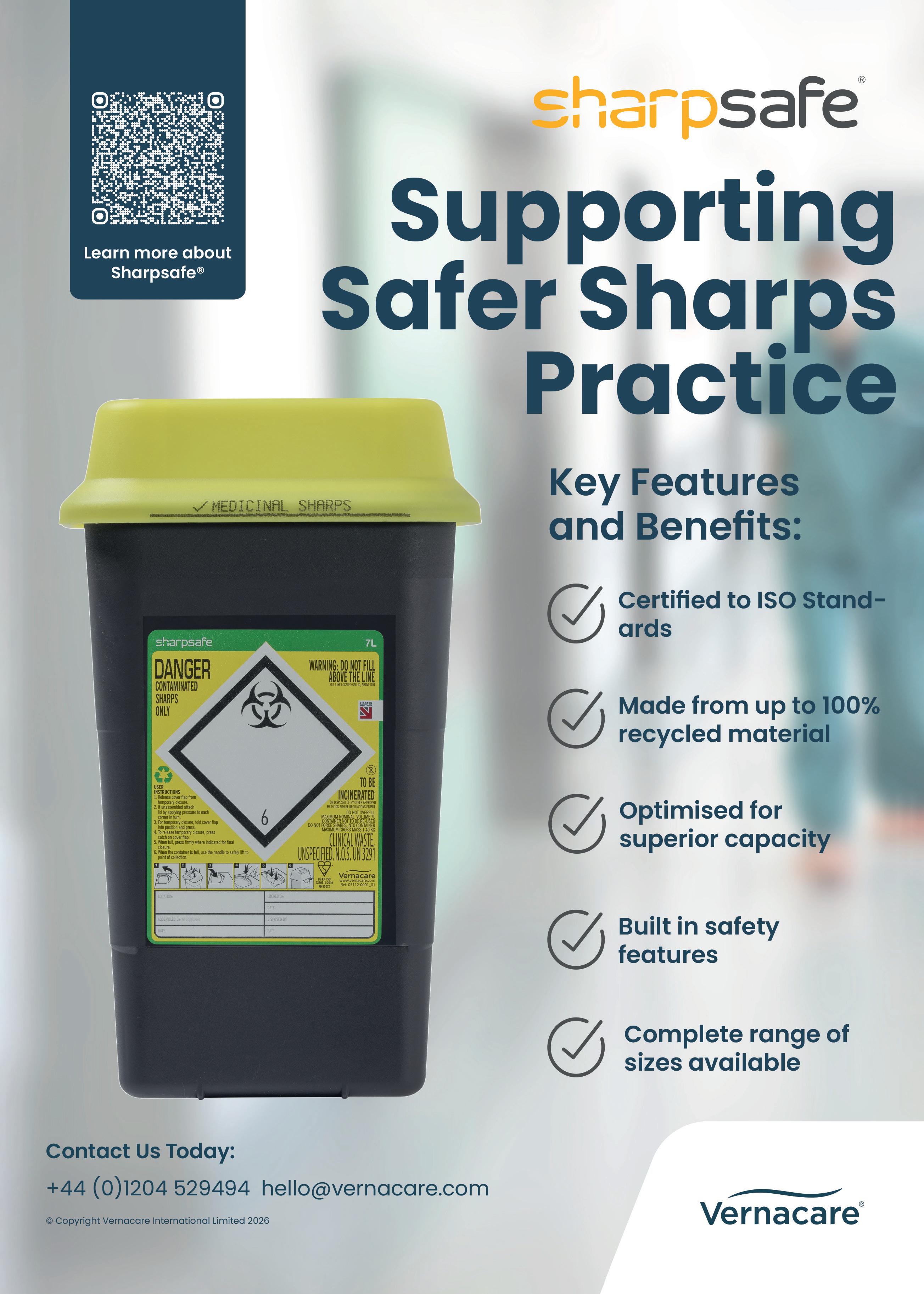
The most common sharps error, she notes, is failing to dispose of items immediately at the point of use. Injuries tend to happen when sharps are carried elsewhere, handled more than once, or passed between staff.
On the waste side, over-classification is a widespread problem: items are often treated as infectious clinical waste when they could go through alternative streams such as offensive waste, pushing up disposal costs unnecessarily. Familiarity with HTM 07-01 guidance, Davies-Leach says, helps homes segregate waste correctly, control costs and maintain infection control standards simultaneously, showing that safety and sustainability need not pull in different directions.
Turning incident data into prevention
Both contributors point to the same underlying opportunity: most homes already collect substantial incident data but rarely take a step back to look for patterns. Are falls clustering at particular times or in specific areas? Are staff injuries concentrated among certain shifts or teams? The stakes are considerable.
The HSE has identified health and social care as one of the UK sectors with the highest reported musculoskeletal disorder rates, affecting an estimated 52,000 workers in human health and social work activities each year, and accounting for a fifth of all work-related ill health in the sector.
Claims data adds a further layer, helping providers see where incidents are becoming more frequent or costly over time. Sharing those lessons across an organisation, rather than leaving them within individual teams, is what turns data into genuine prevention.
What’s coming next
Cyber security is the risk most likely to catch providers off guard. Many still treat it as purely an IT issue, yet a breach can disrupt care records, medication management, rostering and payroll all at once. The government’s 2025 Cyber Security Breaches Survey found that 41% of health and social care organisations had experienced a breach or attack in the previous 12 months, though 66% now have an incident response plan in place, well ahead of the 23% average across UK businesses generally.
Workforce pressures and rising claims costs round out the picture. Legal costs and compensation awards are increasing, meaning incidents that once carried modest financial consequences can now prove far more expensive.
The common thread across both operational and infection-related risk is the same: effective risk management isn’t about eliminating every possible incident. It’s about building a culture where risks are consistently identified, managed and evidenced, so that when something does go wrong, providers can demonstrate they did everything reasonably possible to prevent it.
Cyber Resilience
Daniel O’Shaughnessy, Head of Programme Delivery at Digital Care Hub, discusses how cyber resilience is about preparation, not perfection.
How high is cyber security on your care home’s risk register? A cyber incident can block access to care records, rotas, medication plans, and payroll and the disruption can last for weeks. That puts cyber risk firmly in the high-impact category. The good news is that it can be managed by focusing on what would cause the biggest disruption and what would keep care running.
For most care homes, that means looking at everyday systems: care plans, rotas, medication, payroll, finance, email, Wi-Fi and nurse call. If one went down, who would need to know, how would staff keep records safely, and how would the service recover?
This is where a simple, tested business continuity plan earns its place. It does not need to be long; it just needs to be clear enough to use under pressure, with emergency contacts, supplier support, backups, communication routes and decision-making roles easy to find.
Small gaps can create big problems
Many incidents begin with something ordinary: a reused password, a shared login, an unpatched device, or a message that looks genuine. None sound dramatic, but each can open the door to serious disruption.
That is why the basics matter. Strong passwords, multi-factor authentication, software updates, backups, short staff training and quick reporting are often what stop a small mistake from becoming a crisis.
Risk does not stop at your front door
Care is increasingly connected, bringing real benefits for residents and staff. It also means a problem elsewhere can quickly become your problem. Care homes depend on software providers, pharmacies, GP systems, payroll companies, agency platforms and equipment suppliers, so it is worth knowing how suppliers protect data, manage outages, report incidents and support recovery.
AI needs a conversation, not a ban
AI is not simply a yes-or-no issue. It can help with admin, communication and analysis, but staff need clear boundaries. Personal information should not be pasted into public tools, outputs need checking, and everyone should understand how AI can make scams more convincing.
Prepared, not perfect
Cyber resilience is not about being perfect; it is about being prepared, responding calmly and learning from what happens. Care homes recover faster when they have discussed risks, practised their response, and made cyber security part of everyday management, rather than leaving it to “IT”.
Support is available
There is good progress to build on. By 30 June 2026, a record 88% of CQC-registered care homes had an upto-date Data Security and Protection Toolkit in place. That is a strong foundation, but the real test is whether good practice shows up in everyday decisions and habits.
Digital Care Hub’s free Digital Health Checks, delivered by local care provider trade associations on its behalf, can help providers test risks and agree practical next steps.
www.digitalcarehub.co.uk/cyber-security
Daniel O’Shaughnessy
and
• Cited in CQC reporting as supporting outstanding care
• Simple to install and use
• Watch via TVs, laptops, tablets and mobiles, 24/7
To subscribe, please visit tv.mylifefilms.org or for more information, email the team at info@mylifefilms.org
Stitching Connections
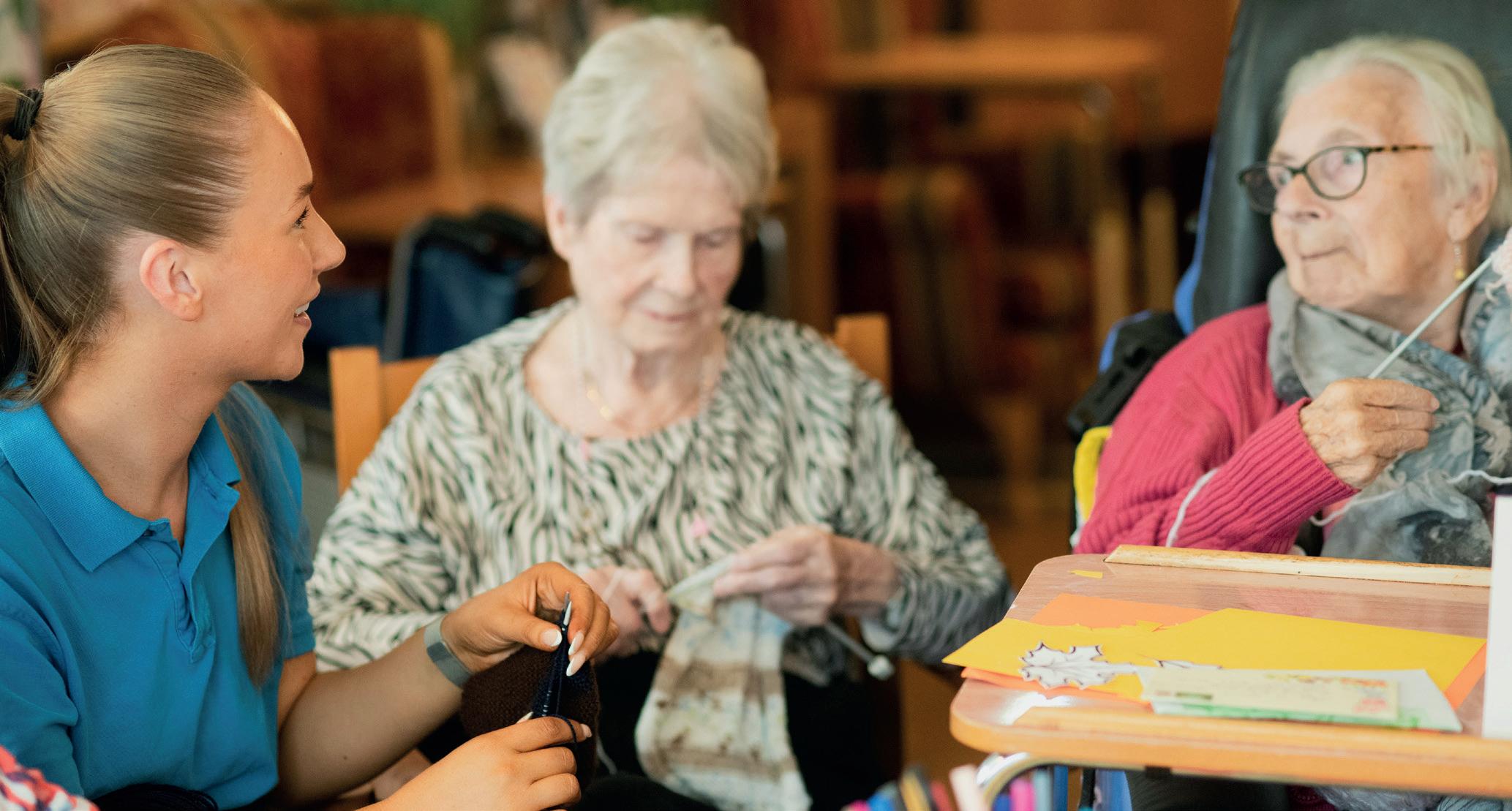
A simple, sociable craft with lasting impact, National Granny Square Day offers care homes a flexible, month-long activity that supports wellbeing, sparks reminiscence and brings communities together, one stitch at a time.
A simple idea with real impact
In an era where meaningful engagement and personcentred care are rightly front and centre, sometimes the most effective activities are also the simplest.
National Granny Square Day, held annually on the 15th August, offers care homes a low-cost, highly adaptable initiative that can run across the entire month, delivering therapeutic, social and creative benefits in equal measure.
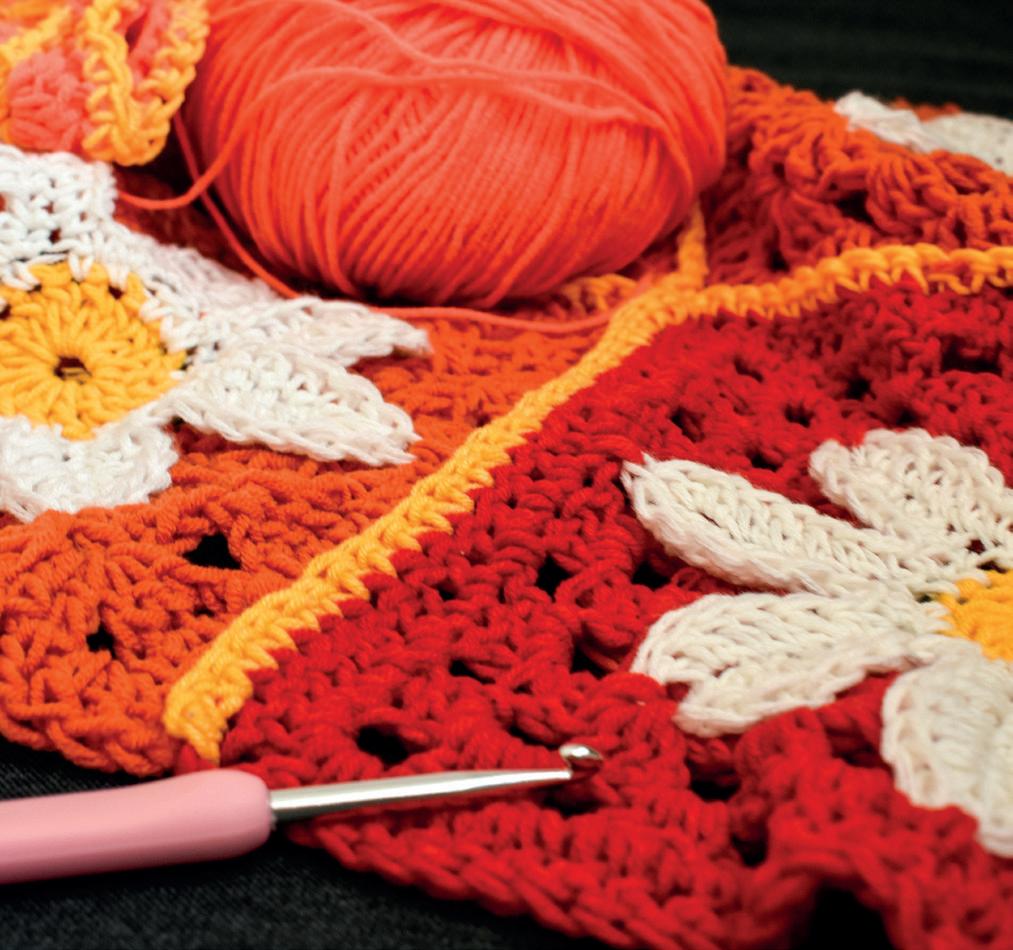
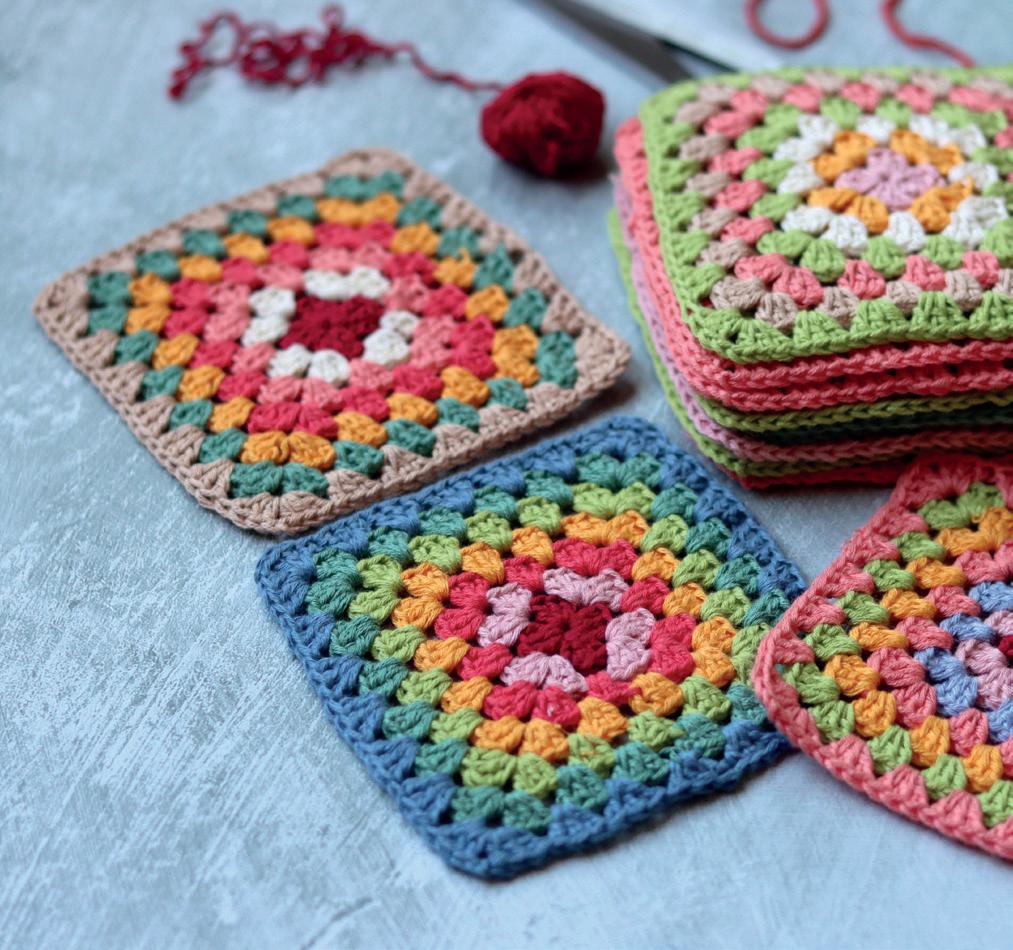
At its core, the concept is straightforward: residents, staff, families and even members of the local community are encouraged to knit or crochet a granny square and share their creations online using the hashtag #NationalGrannySquareDay2026. Yet within this simplicity lies a powerful opportunity to build connection, stimulate memory and foster a genuine sense of achievement.
Flexible and accessible for all
One of the key advantages of granny squares as an activity is their accessibility. Unlike more complex crafts, a granny square can be completed in stages, making it ideal for residents who may tire easily or prefer shorter, more manageable sessions. This flexibility allows the activity to run throughout August, rather than being confined to a single day.
Sessions can be structured or informal, ranging from scheduled group activities to relaxed “knit and natter”
gatherings in lounges or garden spaces. Residents can participate at their own pace, dipping in and out as they wish, which aligns well with best practice around autonomy and choice in care settings.
Supporting physical and cognitive wellbeing
From a therapeutic perspective, knitting and crochet offer clear benefits for fine motor skills and hand-eye coordination. The repetitive, rhythmic movements involved in stitching can help maintain dexterity, particularly for those living with arthritis or reduced hand mobility.
Beyond the physical, there is also a cognitive dimension. Following patterns, counting stitches and selecting colours all contribute to mental stimulation. For some residents, particularly those in earlier stages of cognitive decline, these elements can provide gentle but meaningful cognitive exercise without feeling clinical or task-driven.
Unlocking reminiscence and identity
Perhaps the most powerful aspect of this activity lies in its ability to unlock personal histories. Many older adults have prior experience with sewing, knitting or crochet, often tied to memories of family life, wartime make-do-and-mend culture, or creating garments for children and grandchildren.
A simple granny square can therefore act as a prompt for reminiscence, sparking conversations that reinforce identity and encourage storytelling. These moments are invaluable in care environments, where maintaining a sense of self is closely linked to wellbeing.
For residents who have never knitted or crocheted before, the activity still holds value. Granny squares are widely regarded as an entry-level project, making them an ideal introduction to a new skill. With the right support, even complete beginners can experience the satisfaction of creating something tangible.
Strengthening social connection
The social dimension of a “knit and natter” session should not be underestimated. Craft-based activities naturally lend themselves to conversation, helping to reduce isolation and encourage peer interaction. For quieter residents, the shared focus of the task can make socialising feel less daunting.
There is also scope to extend this beyond the home itself. Inviting a local knitting or craft group to lead sessions can strengthen community links while bringing fresh energy into the environment. Intergenerational involvement, such as visits from schools or youth groups, can further enrich the experience, creating meaningful exchanges between residents and younger people.
Creating something that lasts
One of the most appealing aspects of National Granny Square Day is the potential to transform individual efforts into a collective outcome. As squares are completed, they can be stitched together to create larger items, most commonly blankets. Depending on participation levels, homes might produce a single communal blanket for a lounge area,
or multiple smaller pieces for different households or residents. These finished items are more than decorative; they serve as a tangible representation of collaboration and shared purpose.
Making it work in practice
To maximise engagement, activity coordinators should ensure a good supply of yarn in a variety of colours, along with appropriately sized hooks and needles. Softer, chunkier yarns can be easier for beginners to handle, while more experienced participants may enjoy experimenting with patterns or colour combinations.
Creating a comfortable, well-lit space will encourage residents to stay and socialise, and displaying completed squares in communal areas can help build momentum and a sense of progress. Encouraging staff and visiting family members to take part can further strengthen the inclusive feel of the activity.
More than just a craft
While on the surface this may appear to be a simple arts-and-crafts session, its impact can be far-reaching. National Granny Square Day aligns closely with key objectives in modern care provision: promoting wellbeing, supporting independence, encouraging social interaction and maintaining connections to personal history.
Crucially, it also provides an opportunity for joy. The act of creating, of choosing colours, forming patterns, and contributing to a shared goal can instil a sense of pride that resonates well beyond the activity itself.
For care homes seeking an August initiative that is inclusive, meaningful and easy to deliver, National Granny Square Day is a compelling choice. With minimal resources and a little coordination, it has the potential to bring residents, staff and the wider community together; one square at a time.
Digital Liability
Care homes regularly scrutinise medication errors and falls, but rarely their devices. Jamie Lee from Subsidium makes the case for treating device security with the same rigour as clinical care.
When introducing technology across a care floor, it’s important to consider not just the device itself, but how it will be managed, secured, and supported over time.
Standard retail tablets and fully managed devices can both put essential tools into carers’ hands, but they offer very different levels of control, protection, and operational assurance.
At Subsidium, we manage over 50,000 devices in care. We see first-hand how unmanaged hardware exposes care providers to massive liabilities and exactly how structured management fixes it.
The Problem with the “DIY” Approach
Unmanaged devices are essentially digital wildcards. When you deploy consumer hardware straight out of the box, you’re inheriting a few major headaches:
• Zero Visibility: You can’t secure what you can’t see. If a tablet goes missing, there’s no way to know if sensitive resident data has been compromised.
• Relying on Busy Staff: Security updates rely entirely on busy staff remembering to click the update button. When they don’t, your systems fall behind, leaving the door open for hackers.
• The “Shadow IT” Trap: Unrestricted access means staff
can download unapproved apps or browse the web, inadvertently introducing malware into your network.
The Smarter Alternative: The Managed Advantage
Managed devices transform technology from a significant liability into a secure, compliant asset. By integrating hardware with Enterprise Mobility Management (EMM), Subsidium transfers the security responsibilities from care workers to automated systems operating behind the scenes.
When a tablet is lost, it can trigger an immediate GDPR breach, but with Subsidium, remote data wiping ensures immediate protection. We also prevent risks associated with weak passwords and shared codes on sticky notes by enforcing secure, encrypted authentication for your team. Concerns about compliance issues like missing software patches that could affect a CQC audit are addressed seamlessly through silent, over-the-air updates.
Most importantly, we prevent your care staff from wasting shifts troubleshooting tech issues. With Kiosk Mode, tablets are locked down to only run your essential care apps. Ultimately, we ensure your technology is managed safely, compliant, and hasslefree. Stop managing risks blindly; let us secure your hardware, so your team can concentrate on delivering exceptional care.
Proactive Governance with Subsidium
True risk management means stopping mistakes before they happen. Subsidium does this through Zero Touch Enrolment. Your devices arrive pre-configured, preloaded with your care apps, and locked down to your exact specifications from day one.
We eliminate the chance of a change setting that breaks the system. If a device leaves your facility, we can track it or lock it down instantly.
Protect Your Care Environment
Relying on unmanaged hardware means waiting for a costly breach to happen. Partnering with Subsidium ensures your tech is safely managed, compliant, and completely hassle-free.
Stop managing risks blindly. Let us secure your hardware so your team can focus on what matters most: delivering exceptional care.
Don’t let unmanaged devices steal valuable time from your residents. Trust the experts.
Subsidium currently manages over 50,000 devices across the care sector. We turn chaotic, vulnerable tablets into secure, clinical tools instantly. From Kiosk Mode to overnight updates, we handle the entire lifecycle behind the scenes.
No distractions. No data risks. Just technology that works, so your team can too.
Book a demo today
Flavour Forward
Hosted by Bidfood, the Innovation in Motion event redefined care home catering with interactive food experiences, expert insights, and tastings, showing that creativity and innovation enhance resident dining.
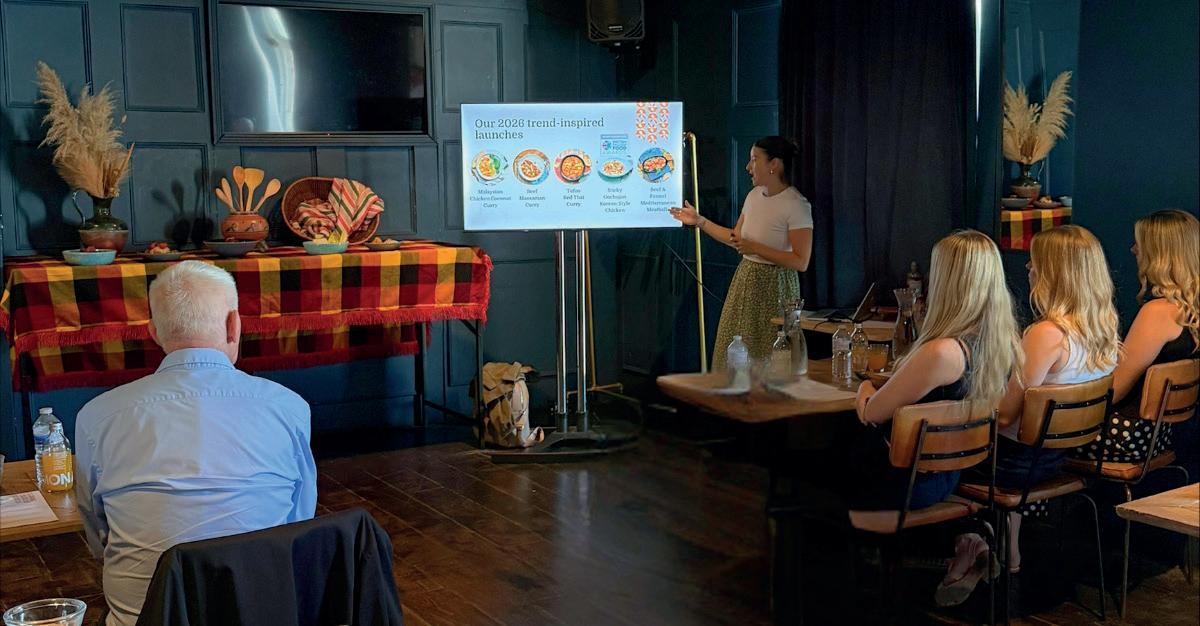
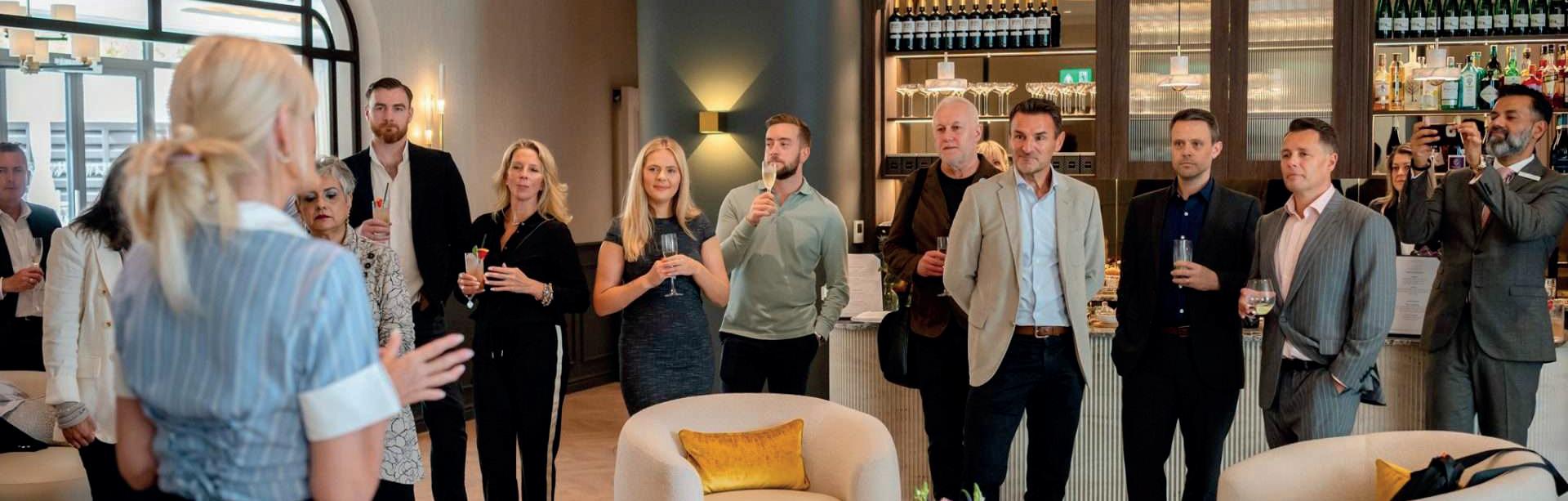
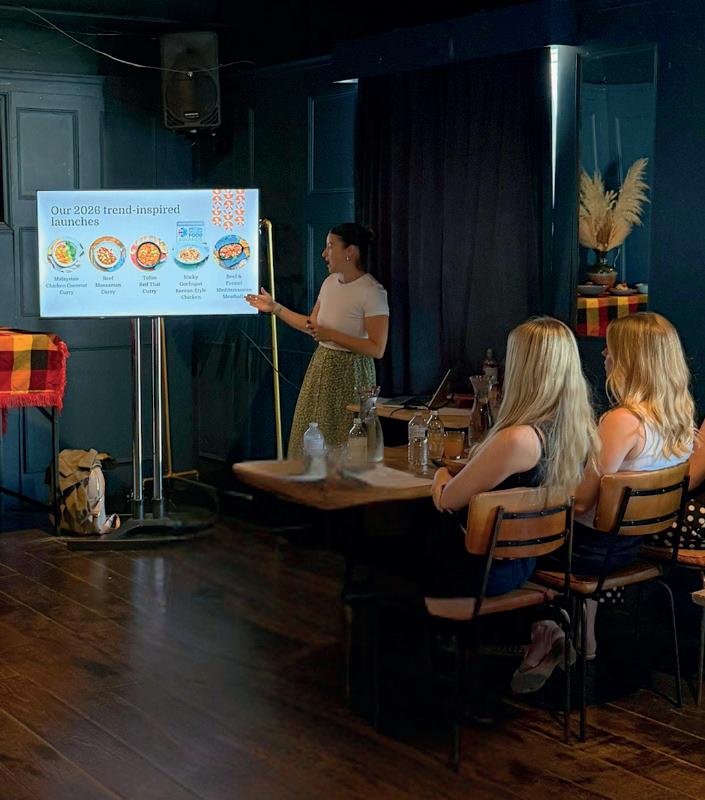
Iwas invited to Bidfood’s Innovation in Motion event on 7 July, held at a pub venue in Balham that had been transformed for the day, with a cinema screen and all.
After a chance to mingle with fellow attendees and the Bidfood team, I settled in for a presentation on the company’s research into food innovation. One finding stood out: while older adults weren’t the age group most eager to try new dishes, a significant proportion still were. It’s a reminder that “traditional” menus shouldn’t be a default assumption in care homes. There’s a clear appetite, so to speak, for chefs to keep expanding residents’ palates.
Next came a hands-on challenge: building my own salad from what might be the best salad bar I’ve encountered. Bowl loaded, I was then told my creation would be scored on nutritional balance, which turned a simple lunch into a genuinely fun bit of friendly competition. As a self-confessed salad enthusiast, I still found myself trying combinations I wouldn’t normally reach for, including black beans, crispy chickpeas, and a butterbean-and-sumac dressing.
I should have paced myself, because there was plenty more food to come.
The following session focused on plating and how presentation alone can transform a dish. Two plates made with identical ingredients were set side by side: one traditional, one elevated. Tasted blind, I found it genuinely difficult to believe they came from the same base recipe. This message was reinforced through tastings from the Discovery Kitchen range, including a creamy Malaysian coconut chicken curry, beef and fennel meatballs, spaghetti alfredo, and black bean birria.
Dessert followed, by which point I was regretting how much I’d already eaten. Three puddings were served, each paired with a suggested occasion and drink: coconut and lime sticky rice, banana bread tiramisu, and Basque cheesecake.
It was a genuinely useful day for thinking differently about food, not just what goes on the plate, but how it’s presented and paired. The unexpected combinations worked, and worked well, which is exactly the point Bidfood was making. For care home chefs, the takeaway is straightforward: innovation doesn’t mean abandoning familiar favourites, but there’s real value and evident appetite for keeping menus exciting.