NAMING SPONSOR
PRESENTING SPONSOR
CHAMPION SPONSORS
Pendleton Whisky
Badger Gap Solar
3 Boots Ranch
Red’s Fly Shop
Wendy’s
Mid-State Co-op
Cascade Custom Apparel
Cinch
Central Powersports
Smokey’s Bar-b-que
Molly Morrow Photography
Cle Elum Roundup
T&T Electric
Les Schwab Tire
WSECU
PERSONNEL SPONSOR
WM (Waste Management)
Coca-Cola Dolsenco Bottling
EVENT SPONSORS
ROUGHSTOCK SPONSORSHIP
Windermere
Clean Cut: The Men’s Shop
Country Financial
KXLE Radio
Stillwell-Hanson Architects
ReMax The Collective
1rst Security Bank
StonewingsII Hay Export
Justin Boots
Ellensburg Rodeo Hall of Fame
A-1 Petroleum
Dairy Queen
Luft Trailer Supply
Cowboy Cross
Grebb, Johnson, Reed, and Wachsmith CPAs
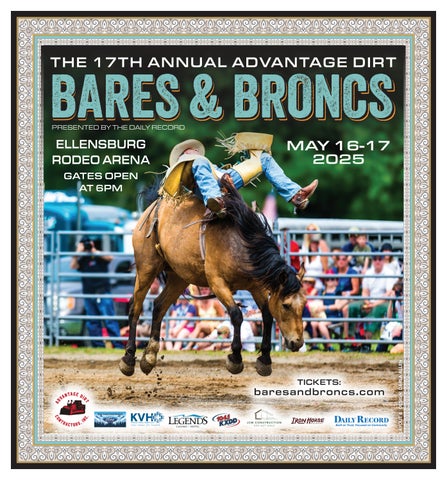
THE 17TH ANNUAL ADVANTAGE
BARES & BRONCS
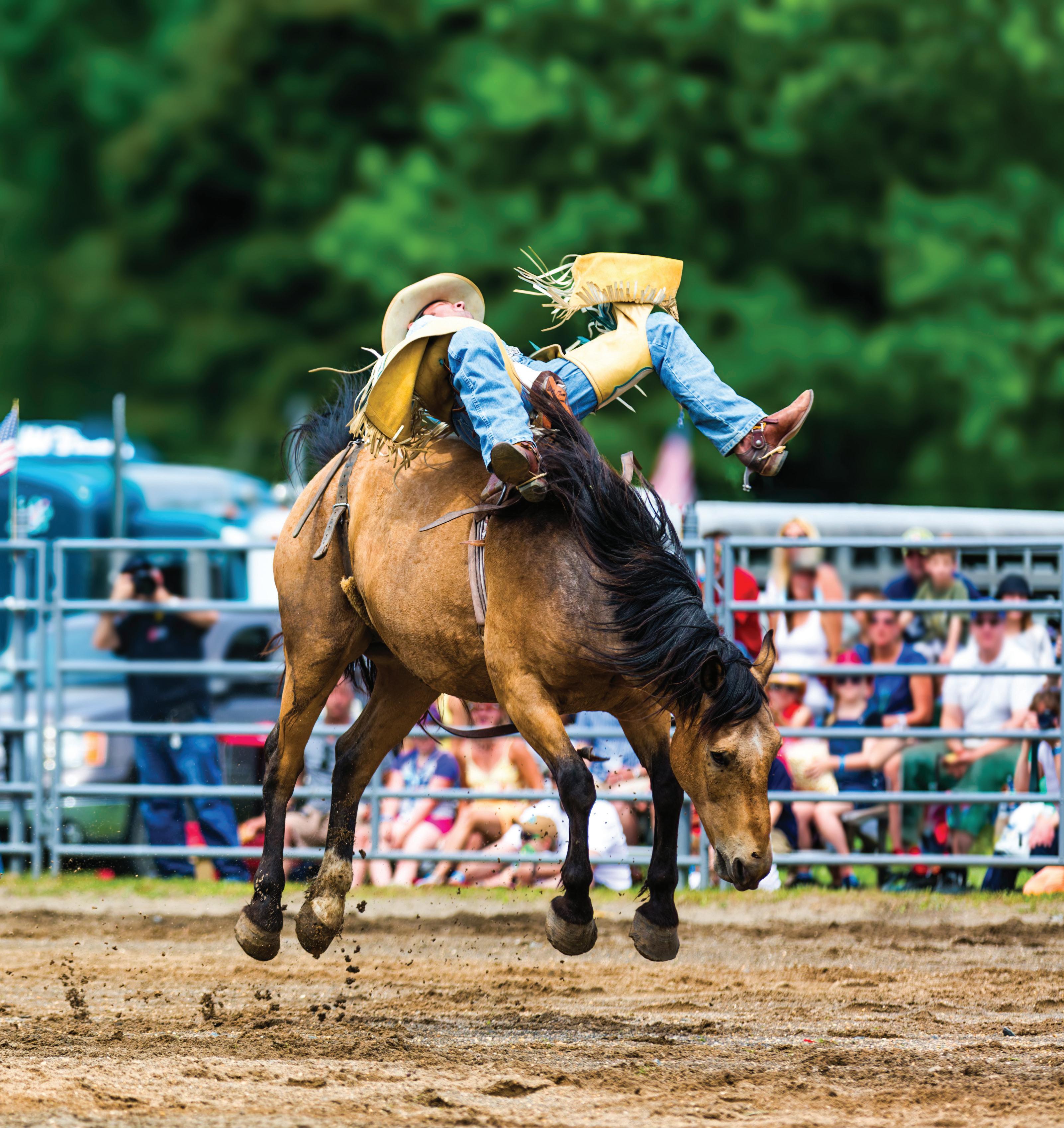
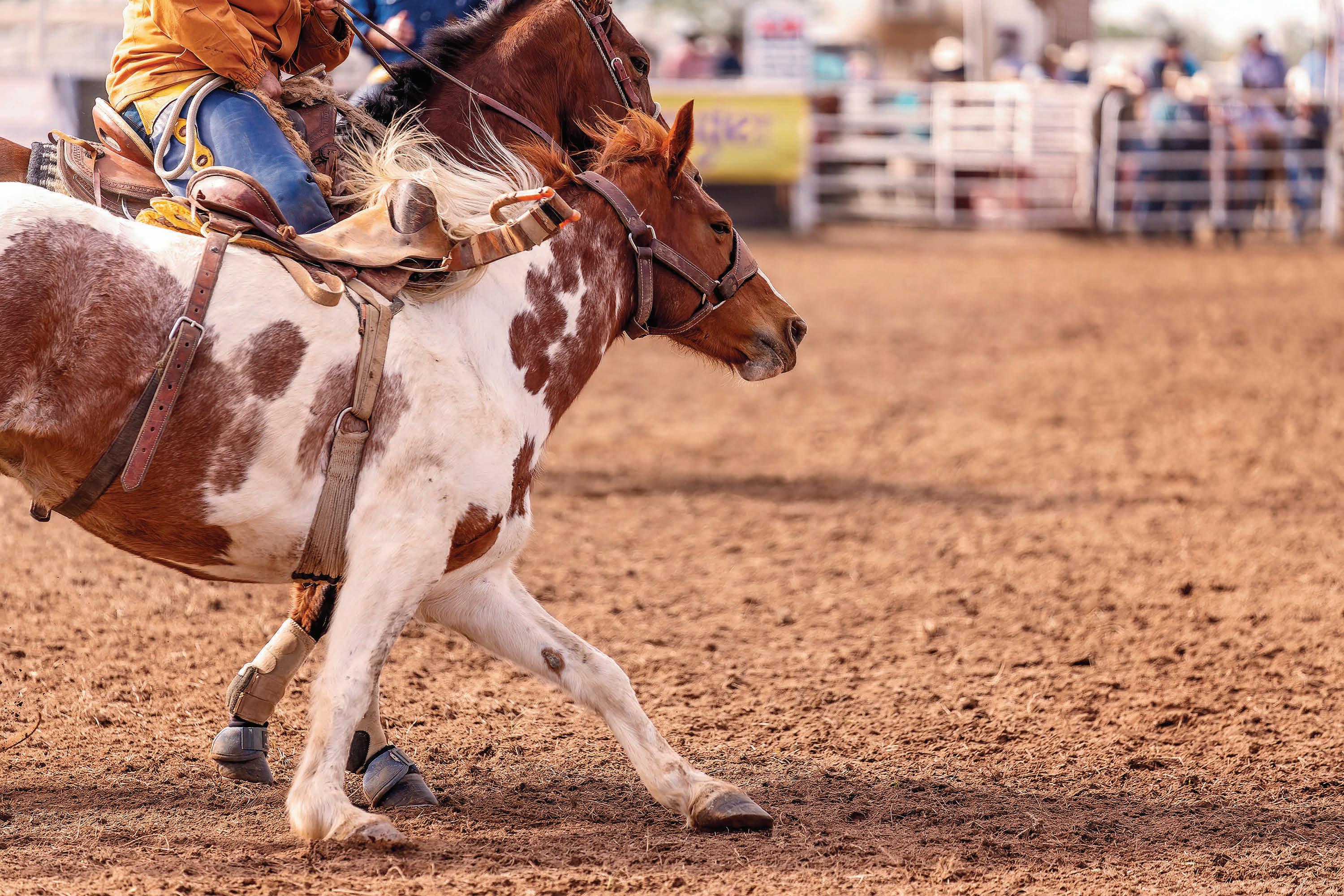
The 17th Annual Advantage Dirt Bares and Broncs, will be MAY 16 and MAY 17, 2025, at the Kittitas Valley Event Center (Ellensburg Rodeo Arena). The Advantage Dirt Bares and Broncs is sanctioned with the PRCA and is part of the Xtreme Broncs tour Bareback Riding and Saddle Bronc Riding. Plus, local barrel racing, mounted shooters, vendors, concessions, and more!
SCHEDULE OF EVENTS:
Friday, May 16th, 2025, Advantage Dirt Bares and Broncs, 7PM
Tickets available for purchase.
Gates open at 6PM.
Saturday, May 17th, 2025, Advantage Dirt Bares and Broncs, 7PM
Tickets available for purchase.
Gates open at 6PM.
DECIDES RIDE TYPE
What is the difference between bareback and saddle bronc horses? I had a cowboy ask me this at a rodeo and it is one of the most common questions for people curious about rodeo. There are only subtle differences between bareback and saddle bronc horses, but the difference is profound.
The two events have their own special characteristics. The bareback rigging has a single cinch located in the girth of the horse, basically right behind the shoulders. This allows the horse freedom of movement and keeps the rider’s weight forward over the horse’s front legs. Horses that buck with a lot of sideways movement or lots of twists may benefit from being in bareback riding. Having the rider’s weight forward helps them keep their balance in their contortions and the lack of a back conch allows them to buck “rank” without any hindrance. Bareback horses have their heads free of any halter or rein which helps them gather themselves for the next jump and helps them keep their balance if they are twisting or are out of line”.
Saddle bronc riding has its own characteristics. The saddle
is built around a stiff fiberglass or rawhide tree, covered with leather. It usually extends two feet or more. The saddle has a 16-inch seat with swells in front of the rider to brace their knees and a seat in the back to cradle their rear end. Stirrups are set forward to the saddle for the cowboy’s feet and two cinches keep the saddle in place. The saddle moves the rider’s weight back slightly – more into the middle of the horse’s back, rather than the front orientation of a bareback – and limits some of the horse’s motion. The most important characteristics for saddle bronc riding are the halter and rein. If a cowboy “lifts” with his arms in front of him, it keeps his weight back in the saddle and allows him more balance in the saddle. If the cowboy pulls, he can take away some of the horse’s motion and especially the horse’s ability to balance and gather momentum for the next jump.
Most people assume the main difference between bareback and saddle bronc horses is the size and there is some truth to that notion. Because the saddle moves the cowboy’s weight further back, it helps to have a bigger, stronger horse. And
because the halter and rein take away some of the horse’s power, it’s nice to start off with more size, strength, and power in the saddle bronc riding. But size is not the primary difference. The primary difference has to do with the horse’s personality and characteristics, which relates back to the breeding program.
Certain horses buck better in the bareback riding or the saddle bronc riding. As breeding stock, they pass on these traits to their offspring. In raising rough stock it’s an experiment in developing traits that will work in both bareback and saddle riding. I’ve added genetics to my herd from Big Bend/Flying Five, Korkow Rodeo, Kirby Rodeo, J-J Rodeo and Cervi Championship Rodeo while beginning to cross different lines of genetics with our own lines. The hope is that each generation gets better than the generation before it. To keep the speed and athletic ability, to improve the size and strength, to keep the energy and bring in some mental toughness, to get the horses that can excel in every part of rodeo – bareback riding and saddle bronc riding. It’s a process.