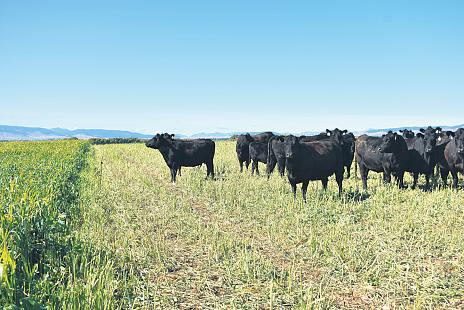
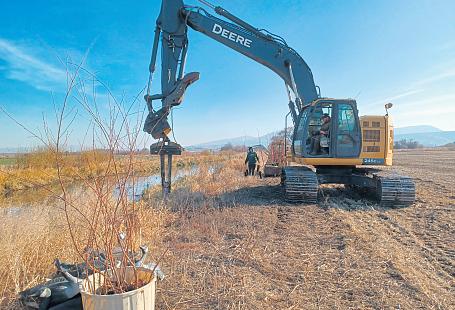
VSP is a non-regulatory, incentive-based approach to protecting critical areas on agricultural lands, while maintaining agricultural viability.
Critical Protection Areas:
• Wetlands
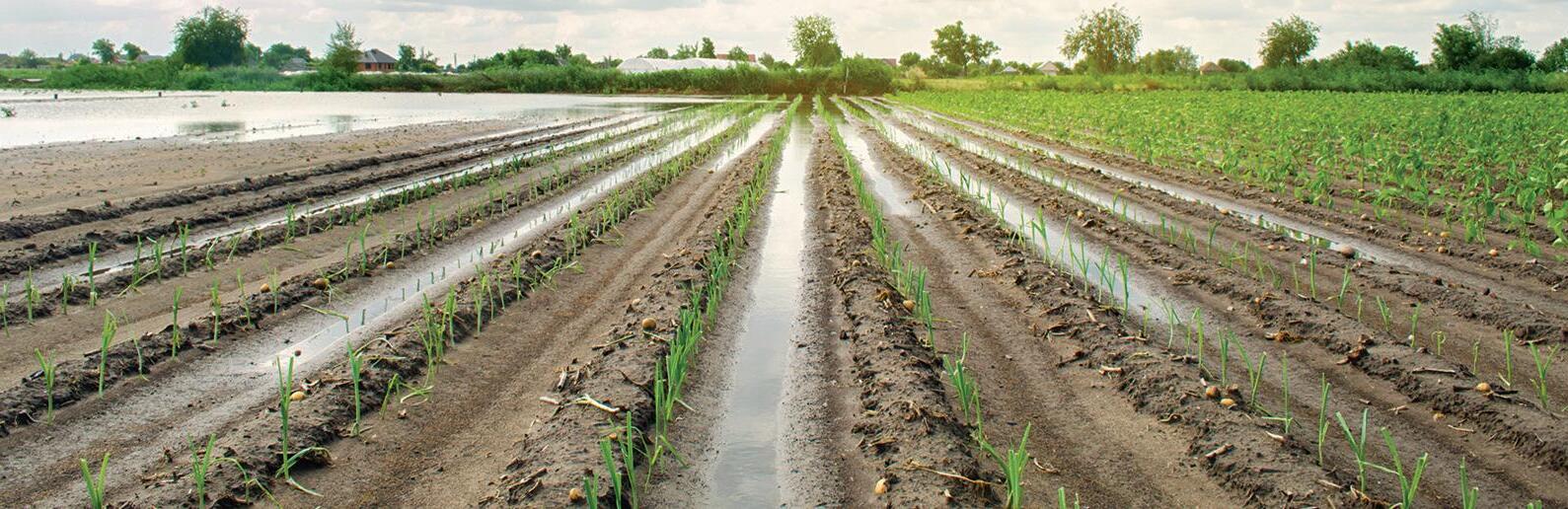
• Frequently Flooded Areas
• Critical Aquifer Recharge Areas
• Geologically Hazardous Areas
• Fish and Wildlife habitat conservation areas
How
to Get Involved:
• Share Stewardship practices implemented on your land with the VSP Coordinator
• Evaluate additional conservation opportunities on your land
• Implement stewardship practices that fit your operation
Working together, farmers and ranchers can demonstrate that current land stewardship provides both protection and enhancement of critical areas without the need for additional regulatory controls. Contact KCCD for information about available technical and financial assistance (funding) for stewardship practice implementation. VSP Coordin a t or: A nn a Lael – 50 9- 92 5- 33 52 ext . 7, ann a.lael@kccd.ne t
Regula r Boa rd Mee tings
2nd Thur sd ay Every Month (7A M A pr-Oct; 1PM Nov-March)
Board of Supervisors:
• Mark Moore • Lynn Brown • Jeff Brunson
• Bill Boyum • Matt Eslinger
Farming in climate change and adapting to changing weather patterns
Climate change presents both challenges and opportunities for farmers. Rising temperatures can lengthen growing seasons, enabling diversification with crops like cover crops and winter wheat. Milder winters ease grazing and reduce heating needs. Additionally, shipping seasons are getting longer and melting Arctic ice is creating new routes for transportation.
However, droughts, floods and heat waves threaten yields, water resources and rangeland stability. Escalating fuel, fertilizer and chemical costs and heightened pest infestations due to milder winters bring about challenges.
ADAPTATION STRATEGIES
These adaptation strategies are crucial to mitigating the risks associated with climate change:
• Conservation cropping. Reduced tillage and continuous cropping can minimize fuel use and enhance water infiltration.
• Crop diversification. Adding perennial forage to crop rotations can help reduce disease and pest disruption.
• Water management. Developing a long-term water management plan and preserving and restoring wetlands can help improve water infiltration.
• Efficiency improvements. Incorporating efficient practices across all aspects of farm management makes things runs smoother.
• Weather monitoring. Regularly monitoring weather conditions, crop diseases and pests allows for early intervention.
• Nutrient management. Developing a nutrient management plan prevents excessive nutrient buildup.
• Insurance. Farm insurance products ensure farmers are covered when disaster strikes.
By embracing climate-smart strategies, farmers can build resilience, navigate risks and capitalize on emerging opportunities. Adapting isn’t just about survival. It’s about thriving in a changing world.
Food waste plagues the entire food chain, and curbing food waste begins on the farms where the food is grown. Here are some ways farm operations minimize waste to maximize profits.
PLAN CROPS FOR SUCCESS
Growing crops that align with local demand and climatic conditions is the first step in minimizing food waste. Farmers must evaluate market opportunities and plan their crops strategically. This ensures a ready market and reduces the likelihood of unsold produce going to waste.
HARVESTING TO CUT WASTE
When it’s time to harvest, farmers can’t rely solely on machines. To cut waste, they can perform secondary passes or hand harvest to collect crops missed during machine operations. Being hands-on during harvest can significantly boost yield and minimize waste.
CLEAN, STORE, AND SELL QUICKLY
Investing in produce cleaning equipment and suitable storage facilities can keep crops fresher for longer. Moreover, securing a buyer soon after harvest reduces storage time and maintains the quality of the produce. Quick sales translate to less waste and more profits.
RECYCLE AND COMPOST
Farmers can dispose of food waste responsibly by exploring recycling options. Composting is an eco-friendly way to recycle organic waste and naturally enriches the soil. Collaborating with local recycling programs or donating edible, unsold produce to support the community is also step in the right direction.
Incorporating these practical tips into farming routines contributes to sustainability and ensures the farmer’s hard work in the fields translates into a bountiful harvest with minimal waste.
The future of ranching is in the air: the role of drones Healthy soil: the
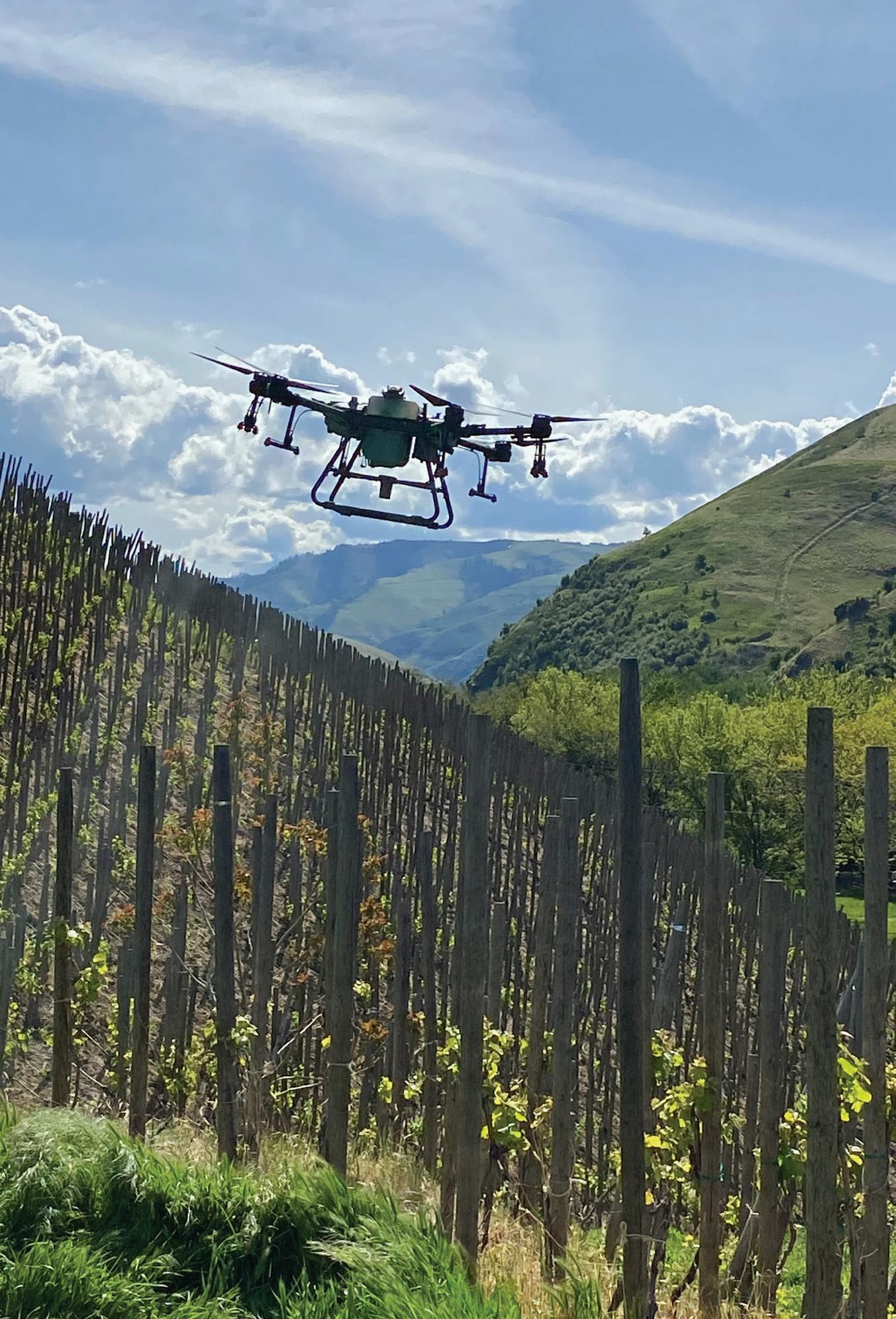
Forget dusty trails and lone cowboys. Ranching is soaring into the future with a new sheriff in town: the drone. These high-tech aerial assistants are revolutionizing how ranchers manage their land and livestock. Here’s how:
LIVESTOCK MONITORING
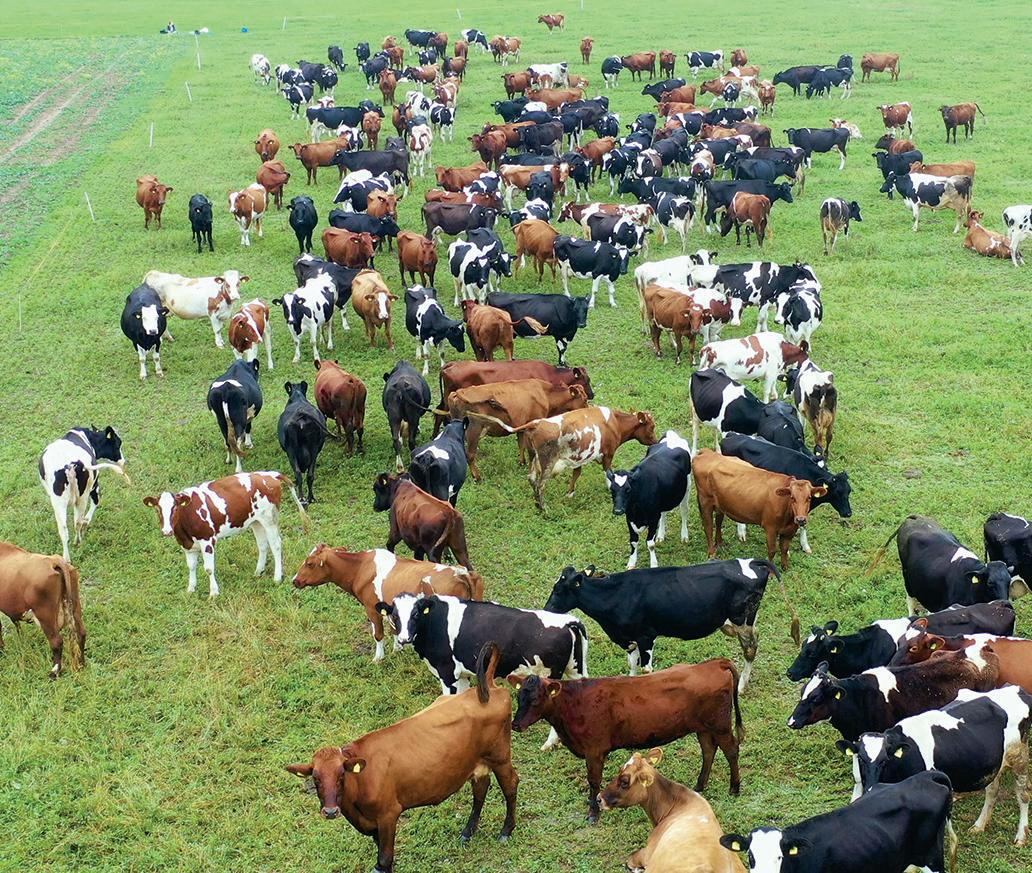
Imagine scanning vast pastures in minutes, spotting limping cows or stressed-out sheep. High-resolution cameras on drones let ranchers keep a watchful eye on animal health and well-being. Early detection means faster care, happier herds and healthier profits.
LAND MANAGEMENT
Drones aren’t just fancy cameras. They’re datagathering machines, mapping pastures, pinpointing overgrazing and spotting soil erosion before it’s too late. This intel helps ranchers optimize grazing patterns, use land sustainably and boost their bottom line.
HERD MANAGEMENT
Drones can locate stray and lost cows quickly, saving ranchers hours of searching. Plus, ranchers can use drones to herd cattle, which research shows is more
efficient than using dogs and puts less stress on the animals.
IDENTIFYING THREATS
Drones equipped with thermal imaging cameras see predators like wolves or trespassers coming from a mile away. This early warning system lets ranchers better protect their livestock and assets.
As drone technology evolves, ranchers can expect even more innovations, from fence repair to water monitoring — all done from the comfort of the ground.
silent hero of the food system
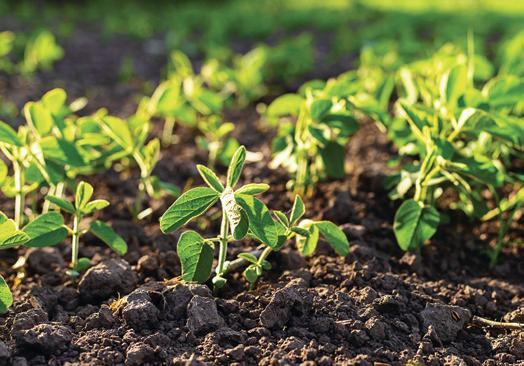
Healthy soil isn’t just dirt — it’s a living, breathing ecosystem teeming with life. This ecosystem is the cornerstone of sustainable agriculture, nourishing the planet and feeding the world. Here are some reasons why investing in soil health is so important:
1. Boost productivity. Healthy soil is chock-full of beneficial microbes, fungi and other tiny organisms that act like nature’s fertilizer. These microoganisms decompose organic matter, releasing essential nutrients for plants to absorb. This translates to higher yields, reducing the need for synthetic fertilizers.
2. Build resilience. Like a sponge, healthy soil readily absorbs and retains water, acting as a buffer against droughts and floods. This improves crop resilience in the face of increasingly erratic weather patterns due to climate change. Moreover, the diverse microbial community acts as a natural protector against pests and diseases, reducing reliance on chemical pesticides and promoting a more balanced ecosystem.
3. Fight climate change. Healthy soil acts as a carbon sink, capturing and storing atmospheric carbon dioxide, a potent greenhouse gas. Farming practices like cover cropping and applying compost sequester carbon and mitigate the effects of climate change.
Prioritizing soil health is an investment in the future of agriculture and food security. By nurturing the soil, famers nourish future generations with healthy food produced in harmony with the environment.
Some Wineries in Kittitas County and surrounding area
is the up-andcoming agricultural crop in the Kittitas County area
By Leslie Kelly
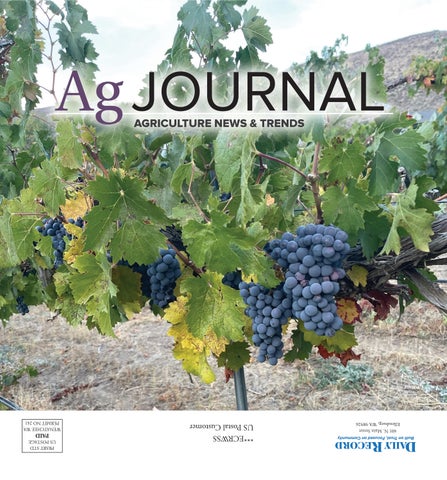
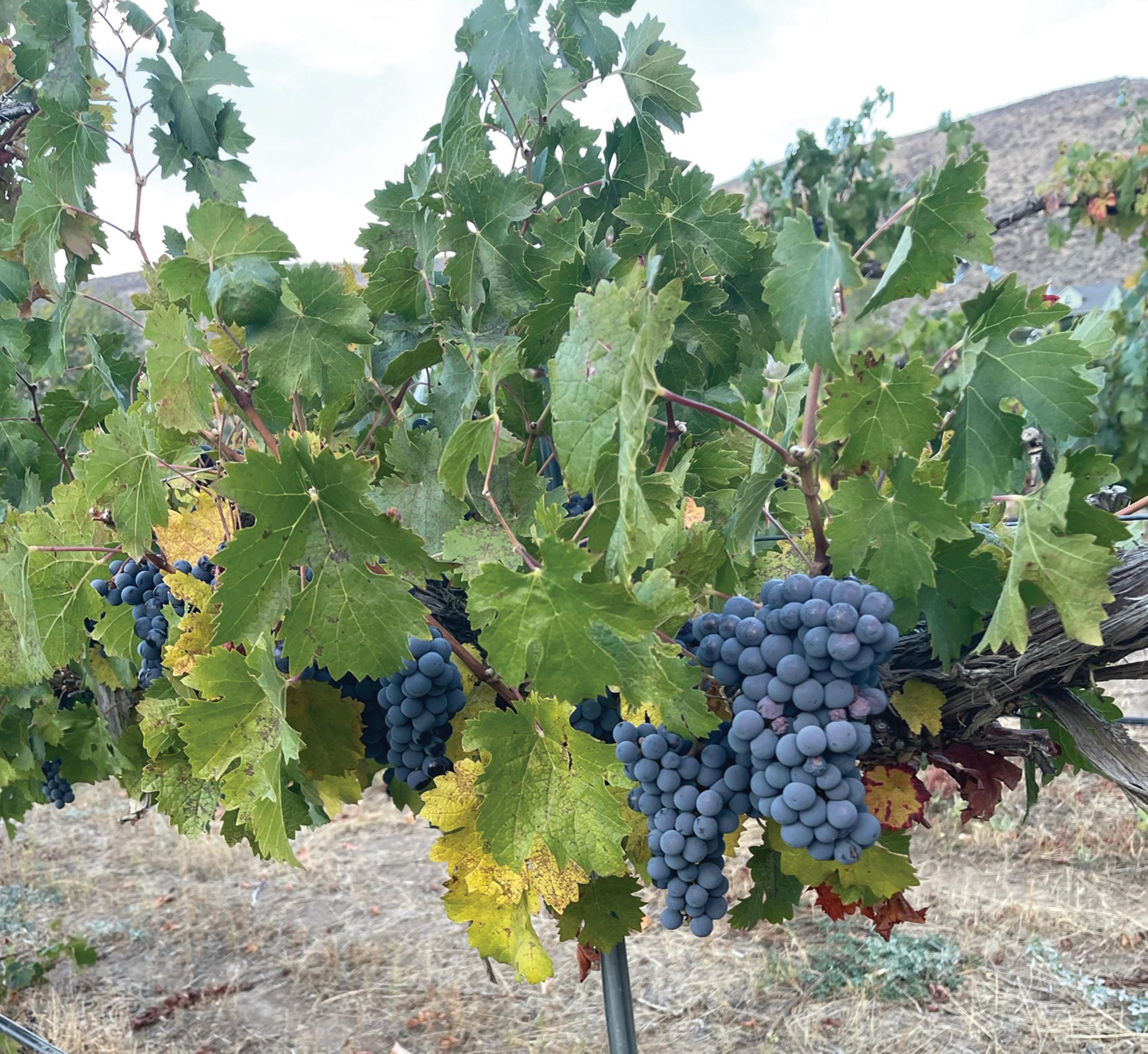
When you think of agricultural crops in Eastern Washington, apples are what comes to mind. But there’s a growing number of vineyards that are working hard to grow the very best grapes.
“To have good wine, you have to grow good grapes,” said Lauren LaPierre, of LaPierre Farms & Wine. The LaPierre family has been organically farming since the 1980s outside Zillah, Washington. In 2017, they added an organic vineyard.
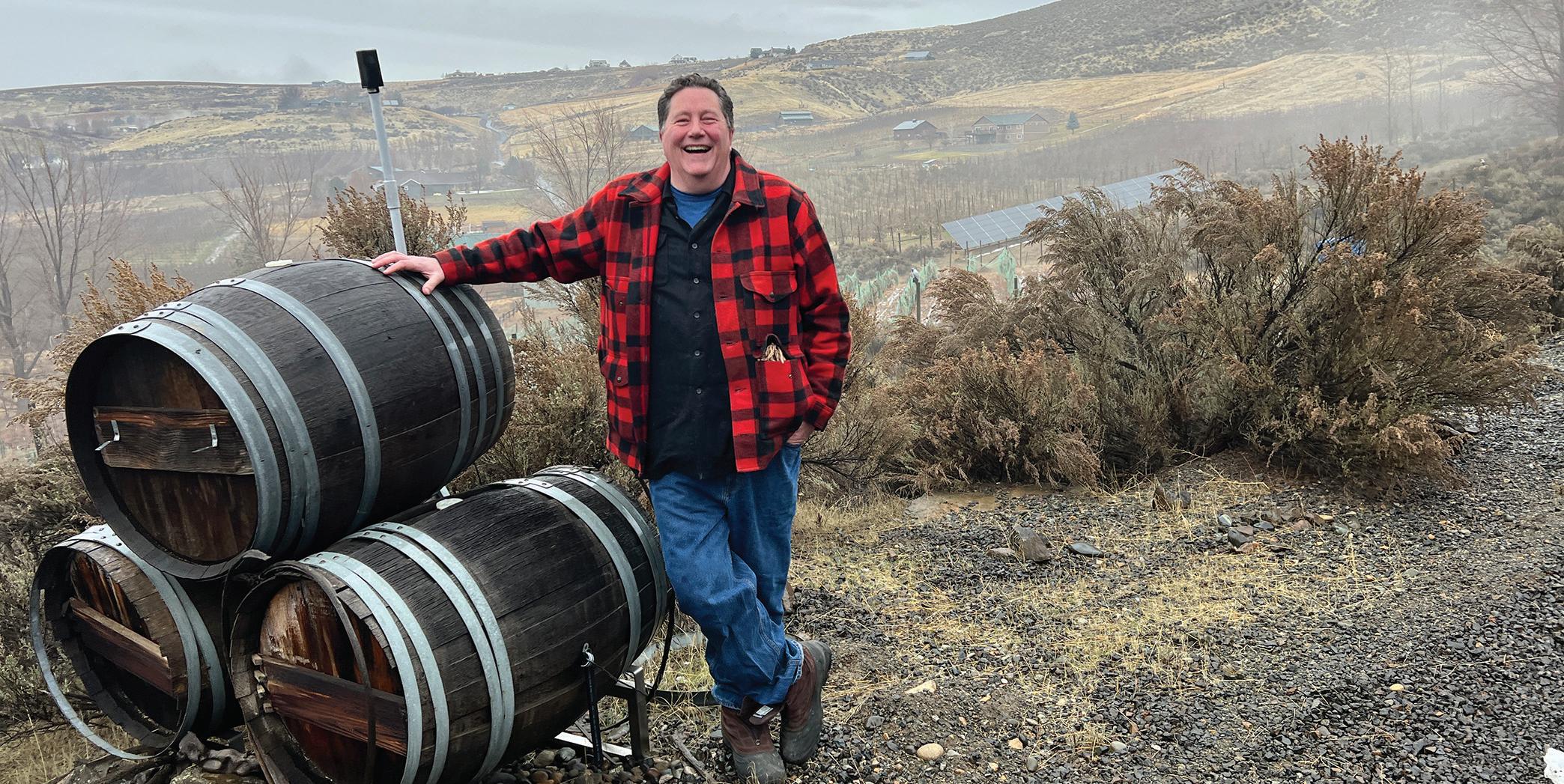
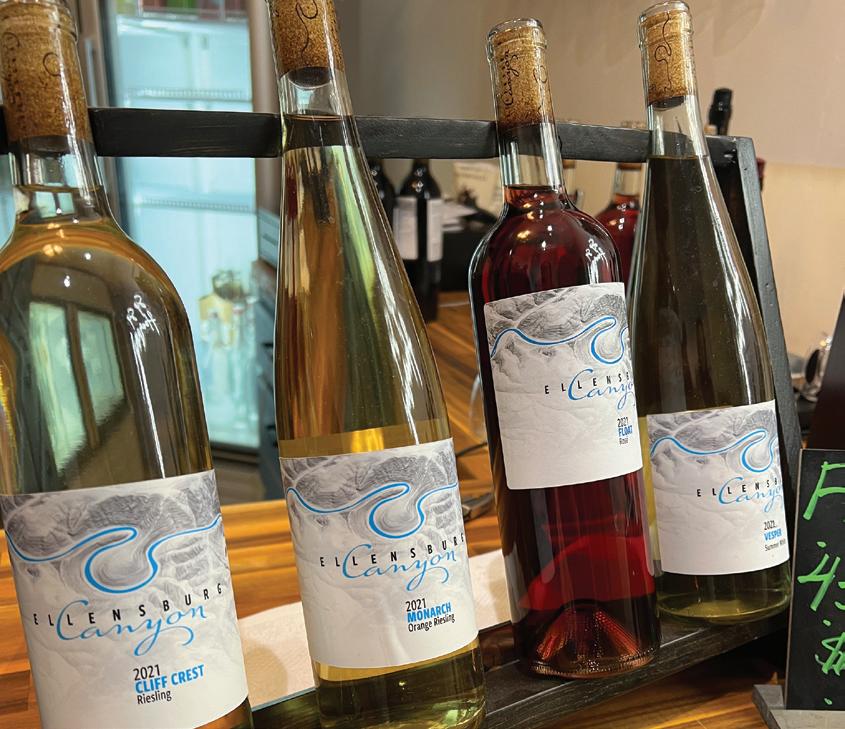
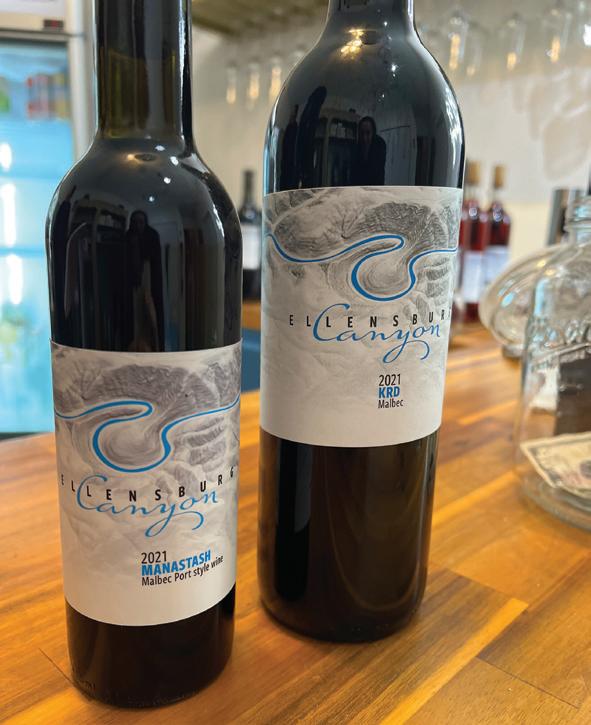
Jason Reibel, owner of Ellensburg Canyon Winery near Ellensburg, has been in the grape-growing business for about three years. He and his wife, Laura, wanted to move to Eastern Washington and when their realtor told them about a vineyard that was for sale, they said they wanted to give it a try.
“I was thinking of trying to make wine anyway,” Jason said. “This just fell in my lap.”
Vineyard owners say it’s much like being a farmer. The weather, bugs and weeds all can play a part in whether it is a good growing year.
LaPierre Farms has 300 acres for farming fruits including 24 acres for the vineyard. The Ellensburg Canyon Winery spans five acres.
“People don’t know how much work goes into a vineyard,” Reibel said. “Sure, there is down time. But when it’s up time, it’s really up time.”
Reibel said one of the reasons he got into the vineyard is his desire to teach people about wine.
“It’s common to think that wine is for the very sophisticated,” he said. “But anyone can discover and enjoy wine.”
For LaPierre, her father began learning and operating an organic fruit tree farm in the 1980s. She grew up on the farm, harvesting from fruit trees. Her family had the chance in 2017 to buy the land next-door to the farm and decided to try an organic vineyard.
Washington state is currently the second largest producer of wine in the country, according to the Washington Wine Growers Association. With 400-plus grape growers, 1,100 wineries, and 60,000 acres of wine grapes, the state produces more than eight varieties of wine each year.
The total economic impact of the wine industry in Washington State is close to $9.51 billion (in 2023) and is increasing each year, the association said.
Washington’s wine industry directly employs as many as 33,015 people and generates an additional 13,536 jobs in supplier and ancillary industries which supply
goods and services to the industry, and whose sales depend on the wine industry’s economic activity. Ultimately, 61,372 jobs are created and supported by the wine industry.
Washington state’s wine industry is a major magnet for tourists and tourism-driven expenses. Washington’s “wine country” regions generate 3.11 million tourist visits and $1.05 billion in annual tourism expenditures, benefiting local economies and tax bases.
The Washington wine industry generates sizeable tax revenues on the local, state and national levels. In 2022, the industry will pay nearly $277.48 million in state and local taxes, and $493.65 million in federal taxes for a total of $771.13 million. In addition, the industry generates approximately $23.54 million federal consumption taxes and $201.81 million in state consumption taxes which include excise and sales taxes.
As on other farms, the weather can make or break a year’s harvest.
“We’ve been in the frost control game for a long time,” said LaPierre, referring to the family’s organic tree farm. “But it’s the luck of the draw. You do all you can but there’s always the element of chance.”
Reibel knows winters can do harm.
“If it gets too cold it will kill the vines,” he said. “A lot of reds die here in the Ellensburg area because it just too cold.”
He also said the frost in spring and fall can kill the buds and a vineyard can lose a lot of produce. Drought is another issue, but Reibel said vines have become more tolerant to drought, and irrigation helps.
The business of growing grapes for wine production is competitive, wine growers said.
“There’s a comradery among the growers,” said LaPierre. “New vineyards get going all the time. But it’s a tough business and some don’t make it. There has been an oversupply in Washington for some time.”
At LaPierre Farms, they only sell their wines on-site in the tasting room to draw customers.
Reibel agreed on the community spirit.
“There is a sense of community among growers,” he said. “We are keeping our vineyard small enough that when visitors come, they meet either the winemaker, the seller or the grower.
“Wine people are passionate about wine,” Reibel added. “They are so thrilled to meet the people who had a hand in the creation. And among wine growers, they know everyone can win. All of us
would like to see Washington growers to succeed.”
Harvest is the busiest time, growers say.
“During harvest, we have 30 to 35 employees working picking grapes,” LaPierre said. “Picking grapes by hand allows us to pick when the grapes are their sweetest. We know where all the sweet spots are in the vineyard.”
It’s the amount of sun that the grapes get that determines their sweetness, she added. That’s why vineyards near the Ellensburg grow white grapes for Rieslings and other white wines. They often buy red grapes from other vineyards in the state to produce their reds. And areas of the state that are sunnier like Zilla, where LaPierre Farms are, grow red grapes for wines like Merlot, Cabernets and Pinot Noir.
Both Ellensburg Canyon Winery and LaPierre Farms have tasting rooms.
“Being right here in the Yakima Canyon, we have some wonderful views,” Riedel said. “People are surprised at the views. You can see the entire farm when sitting outside the tasting room. Our customers say it’s so peaceful.”
LaPierre said at their farms, customers enjoy knowing and learning about their organic methods.
“For us, organic farming has shown us how much better the product can be,” she said. “We like sharing that with others. We like to incorporate the farm, too, and so we offer dried fruit from our farm when sampling our wines.”
WASHINGTON WINE FACTS
• Number of licensed wineries: 1,050-plus
• National rank as wine producer in the United States: 2nd
• Wine grape acreage: 60,000+ acres
• Number of wine grape growers: 400
• Varieties produced: 80-plus
• Total annual in-state economic impact: $8 plus billion
• Growing season diurnal shift: 30-40°F
• Annual wine production: 17 plus million cases
• Record harvest, 2016: 272,000 tons
• Most recent harvest, 2022: 240,000 tons
To contact LaPierre Farms, call 509 -728-1179. Email lauren@lapierrefarms.com. Their website is lapierrefarmsandwinery.com.
To contact Ellensburg Canyon Winery, call 509-824-6336.
Email info@ellensburgcanyonwinery.com. Website is ellensburgcanyonwinery.com.
PEST ALERT: the tomato hornworm
The tomato hornworm is a formidable yet fascinating pest, capable of causing substantial damage to crops like tomatoes, peppers, eggplants and potatoes. Understanding this caterpillar is crucial for farmers seeking to safeguard their yields. Here’s what you need to know.
IDENTIFICATION AND APPEARANCE
The tomato hornworm is identified by its distinctive horns and large size. It can grow up to 13 centimetres long. These caterpillars blend in well with foliage, making early detection challenging. They’re pale green with black and white markings and eight V-shaped stripes on their bodies.
FEEDING HABITS AND CROP DAMAGE
Tomato hornworms are voracious feeders, capable of consuming large sections of plants in a short period. Their preference for popular crops like tomatoes increases the risk of substantial economic loss. It’s important to quickly spot feeding damage to deal with pests effectively.
PARASITOID WASPS: NATURAL PREDATORS
Tomato hornworms have natural enemies. Parasitoid wasps lay eggs on the hornworm, and as they hatch, the wasp larvae feed on the caterpillar, ultimately killing it. Encouraging the presence of these beneficial wasps can be a sustainable method of controlling tomato hornworm populations.
Farmers must also adopt integrated pest management (IPM) to address tomato hornworm infestations. By incorporating natural predators, rotating crops and judiciously using insecticides, farmers can mitigate the impact of tomato hornworms while minimizing environmental harm.
The top agricultural commodity trends of 2024
The agricultural landscape of 2024 is buzzing with exciting trends, reflecting evolving consumer preferences and environmental concerns. Here are the top commodity trends shaping the ag industry this year:
1. Plant-based meat alternatives. Veggie burgers, sausages and ground meat alternatives are no longer niche products but mainstream contenders vying for space in the kitchen. Consumers are drawn to the health benefits, environmental advantages and delicious flavours of these meatless marvels.
2. Nut butters. Nut butters spread their deliciousness far beyond the classic peanut butter and jelly sandwich. Almonds, cashews, macadamia nuts and even sunflower seeds are gracing grocery shelves, offering consumers a wider range of textures, flavours and nutritional profiles. These creamy spreads are finding their way into smoothies, dips, baking and sauces, making them a versatile pantry staple.
3. Sustainable packaging. Consumers are increasingly conscious of the environmental impact of their food
choices, including packaging. Plastic wraps and nonbiodegradable containers are giving way to sustainable alternatives like compostable films, plant-based packaging and reusable glass jars. This push for ecofriendly options extends beyond the grocery store, with restaurants and food processors exploring innovative ways to minimize packaging waste.
These trends reflect a shift towards health-conscious, planet-friendly choices. As consumers’ needs change, so must the agricultural sector to offer diverse, sustainable and delicious options for all.
AGROFORESTRY: a growing trend in sustainable farming
Agroforestry, the practice of combining trees and shrubs with traditional crops and livestock, has emerged as an effective sustainable farming strategy. Here’s how this innovative approach boosts agricultural productivity and promotes environmental conservation.
ENHANCE BIODIVERSITY
The diverse vegetation in agroforestry systems provides a habitat for various plants, animals and microorganisms, creating a balanced ecosystem. This biodiversity helps control pests and diseases naturally, reducing reliance on chemical pesticides and promoting healthier soils.
IMPROVE SOIL HEALTH
Trees and shrubs improve soil health and fertility by contributing organic matter through their leaves, branches and root systems. This organic matter improves soil structure, water retention and nutrient cycling, increasing crop yields and reducing erosion.
REGULATE WATER
The presence of trees helps regulate water cycles by reducing runoff and enhancing water infiltration. This mitigates the risk of floods and droughts and improves water quality. Trees also play a crucial role in preventing soil erosion, maintaining the landscape’s integrity and protecting nearby bodies of water.
HOLD CARBON
Trees absorb and store carbon dioxide, reducing greenhouse gas emissions and helping offset the impact of agricultural activities. As global concerns about climate change intensify, the role of agroforestry in sequestering carbon becomes increasingly significant.
As you can see, farmers can reap multiple benefits by integrating trees and shrubs into traditional agricultural practices.
Humidity can wreak havoc on food storage areas. Air that is too dry or too damp for fresh foods can lead to mold growth.
FOOD STORAGE
On-site storage is essential for farms to keep food safe and fresh after it’s harvested but before it’s taken away to be processed or sold. Unfortunately, these facilities and materials can be quite expensive.
The Farm Service Agency, through the United States Department of Agriculture, offers Farm Storage Facility Loans to help farmers finance building, upgrading or purchasing materials for on-farm or mobile storage. Eligible resources include:
• Packing sheds;
• Walk-in coolers;
• Food safety equipment;
• Graders, sorters, conveyers;
• Washers and drying tunnels; and
• Storage and handling trucks.
In the past few years, the food storage loan has been expanded by the FSA to include meats, dairy, eggs, honey and maple syrup and even
aquaculture.
To see a complete list of eligible products, visit http://bit.ly/NSAC-FSFL. The expansion of this FSA loan serves a more complete range of farming operations. Any farmer with adequate credit and proof of crop insurance, who can demonstrate his ability to pay back the loan is encouraged to apply.
MAINTAINING QUALITY
It is extremely important to maintain quality standards with on-farm food storage. This requires constant and consistent checks of equipment related to food storage and the atmosphere around all food storage areas. Humidity can wreak havoc on food storage
areas. Air that is too dry or too damp for fresh foods can lead to mold growth. Mold can wreck havoc on food and storage materials, so it is imperative to eradicate it if any appears in your facilities.
Air that is too damp can cause machinery to rust, which will weaken the metal and could cause it to malfunction. Because of this, airflow is an important factor to keep in mind.
Air flow is affected by the types of containers food is packed in, as well as how these containers are packed together. Speak with a local farming consultant or check in with the FSA for tips on how to avoid these potentially damaging issues.
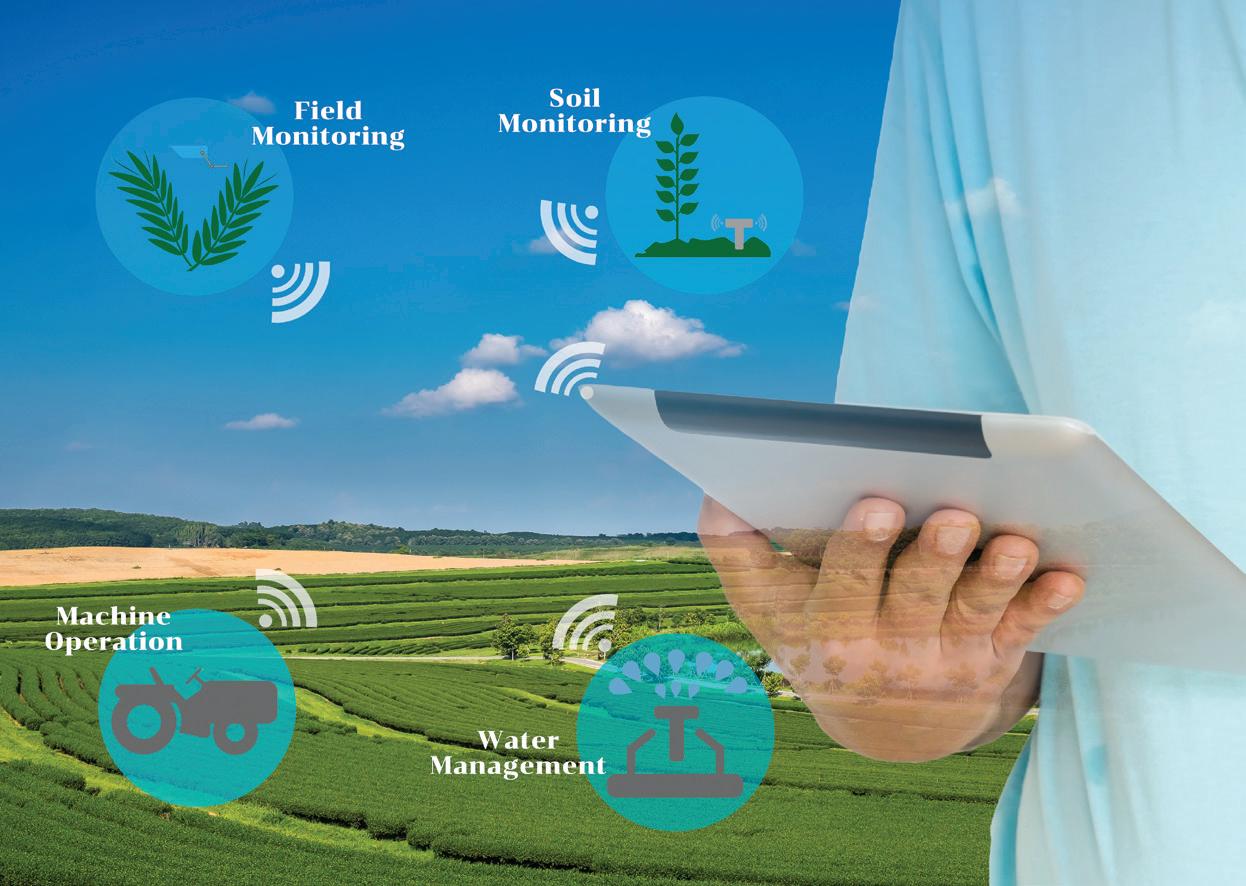
Farming with digital applications can both elevate success and alleviate stress for farmers. Just like any other industry, farming is complex and technology is forever evolving to help those in the field do their jobs better.
With the number of farming applications currently available, it can be hard to tell them apart, or get familiar with each app’s unique features. The good news is, with a little basic information, you’ll be downloading your new favorite farming app in no time. This is where we have you covered.
Here are just a few of the many farming apps available, and a brief overview of what makes each one great. Remember to find out if there are versions available from your phone’s app store. Also take into consideration whether each is paid or free. This may help you make your decision about which apps to integrate into your work flow.
EFARMER APP
EFarmer is a free record-keeping system in your phone. It will allow you to easily capture and document all field activities through electronic maps.
You can record the history of cropping, field investigation, crop planning, field tasks and so much more. The best part is that you can make notes directly on the map.
AGRISYNC APP
When a problem strikes, time is always of the essence. AgriSync — a mobile-based program that connects you to service advisors — is there to help. Whether the issue is machine related or agricultural, farmers can communicate in real time with an expert advisor; because advisors can see what farmers are seeing through live video, issues can be resolved quickly.
AGVAULT APP
AgVault is a photo application designed to keep track of the “where,” “when” and “why” behind every photo.
A new addition to the app offers autonomous unmanned aerial vehicle (UAV) route planning. The UAV launches from the app, flies the predetermined route and comes home once the flight plan is complete — all the while taking high-quality imagery that can be useful to farmers’ decision-making processes.
SUNFLOWERS: a versatile native crop
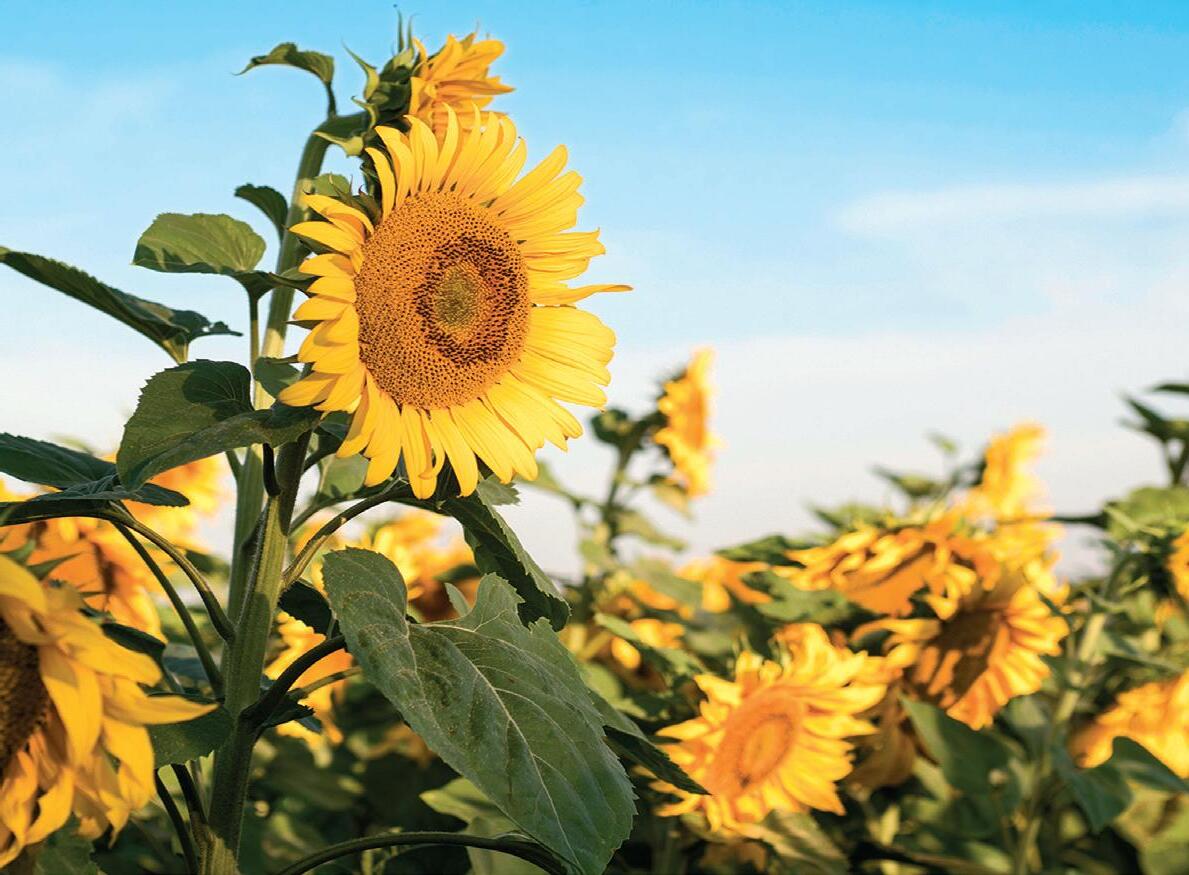
Sunflowers have long been admired for their radiant beauty. However, beyond their esthetic appeal, these native plants play a crucial role in agriculture and biodiversity. Originating in North America, sunflowers have become a global crop, valued for their versatility and numerous applications.
THEY FEED THE WORLD
In agriculture, sunflowers are prized for their oil-rich seeds, a nutritious snack and a source of high-quality cooking oil. The oil extracted from sunflower seeds is low in saturated fats and rich in polyunsaturated fats, making it a heart-healthy option. Additionally, sunflower meal, a byproduct of oil extraction, is a valuable protein-rich livestock feed.
THEY
CLEAN THE SOIL
Sunflowers contribute to sustainable farming practices as they can extract toxins and heavy metals from the soil, a process known as phytoremediation. This makes them effective in soil cleanup and restoration. Sunflowers cleaned the soil after the Chornobyl disaster in Ukraine and Hurricane Katrina in New Orleans.
THEY PROMOTE HEALTHY ECOSYSTEMS
Sunflowers also support biodiversity. Their large, vibrant blooms attract pollinators such as bees and butterflies, promoting healthy ecosystems. Additionally, their abundant seeds serve as a food source for birds and small mammals.
Whether gracing landscapes with their golden hues or contributing to agricultural and environmental sustainability, sunflowers are a crucial native crop.
Our professional ser vices include:
• Tax Mana gement Ser vices
• Assurance and Advisor y Ser vices
• Esta te and Trust Planning and Tax Prepara tion
• Litiga tion Support and Forensic Accounting
• Bookkeeping/Write-up
• IRS Representa tion
• Accounting Ser vices
• Reviews and Compila tion
• Financial and Retirement Planning
• QuickBooks Accounting Help and Assistance
• Entity Selection and Restructuring
• Payroll Ser vices
NEW, at-risk farmers
According to the National Sustainable Agriculture Coalition, there are nearly six times as many farmers over 65 than under 35. It is more important than ever to invest and support the next generation of farmers.
While any farmer has many challenges to face — including the rising cost of farm land, availability of training or technical assistance, and financing — farmers just starting out and socially disadvantaged farmers face these same challenges, but most often experience them to a greater extent.
Socially disadvantaged farmers include farmers of color, military veterans and women. These groups historically have not participated in many federal programs due to inadequate outreach, lack of help and even discrimination, according to the FSA. Below is a brief overview of key federal programs focused on serving the underserved.
MICROLOANS
The FSA’s microloan program is specifically designed for young, small or socially disadvantaged farmers by offering a simplified loan process for their (typically) smaller credit needs. Since the program’s introduction in 2013, the FSA has funded more than 20,000 farmers
across the nation with more than $470 million.
WHOLE FARM REVENUE PROTECTION
Whole Farm Revenue Protection is an insurance policy designed to protect a farmer’s entire farm (including livestock) — not just one crop. It is specifically designed for diversified farms that might not have access to crop insurance for each crop they grow.
RISK MANAGEMENT EDUCATION PROGRAM
This program provides funding through four regional centers and one digital center to help farmers learn how to minimize risk on their farms. By minimizing risk, farmers can increase both the financial stability and future sustainability of their farms.
DOWN PAYMENT LOAN PROGRAM
This is a joint-financing loan program between the
FSA and a commercial lender to enable the purchase of farm land. Only beginning or socially disadvantaged farmers are eligible for this program.
LAND CONTRACT GUARANTEE PROGRAM
This program helps retiring farmers sell their farms to farmers who are just starting out by providing a federal guarantee in case buyers run into trouble making payments.
INDIVIDUAL DEVELOPMENT ACCOUNTS
This program is designed to help beginning and socially disadvantaged farmers finance their needs through agribusiness training, as well as matched savings accounts. In the matched savings account, the federal government (through local partners) will match any amount deposited by the farmer by 100 percent.
For full details on any of these programs, visit www. fsa.usda.gov.
t DRONE FROM PAGE 3
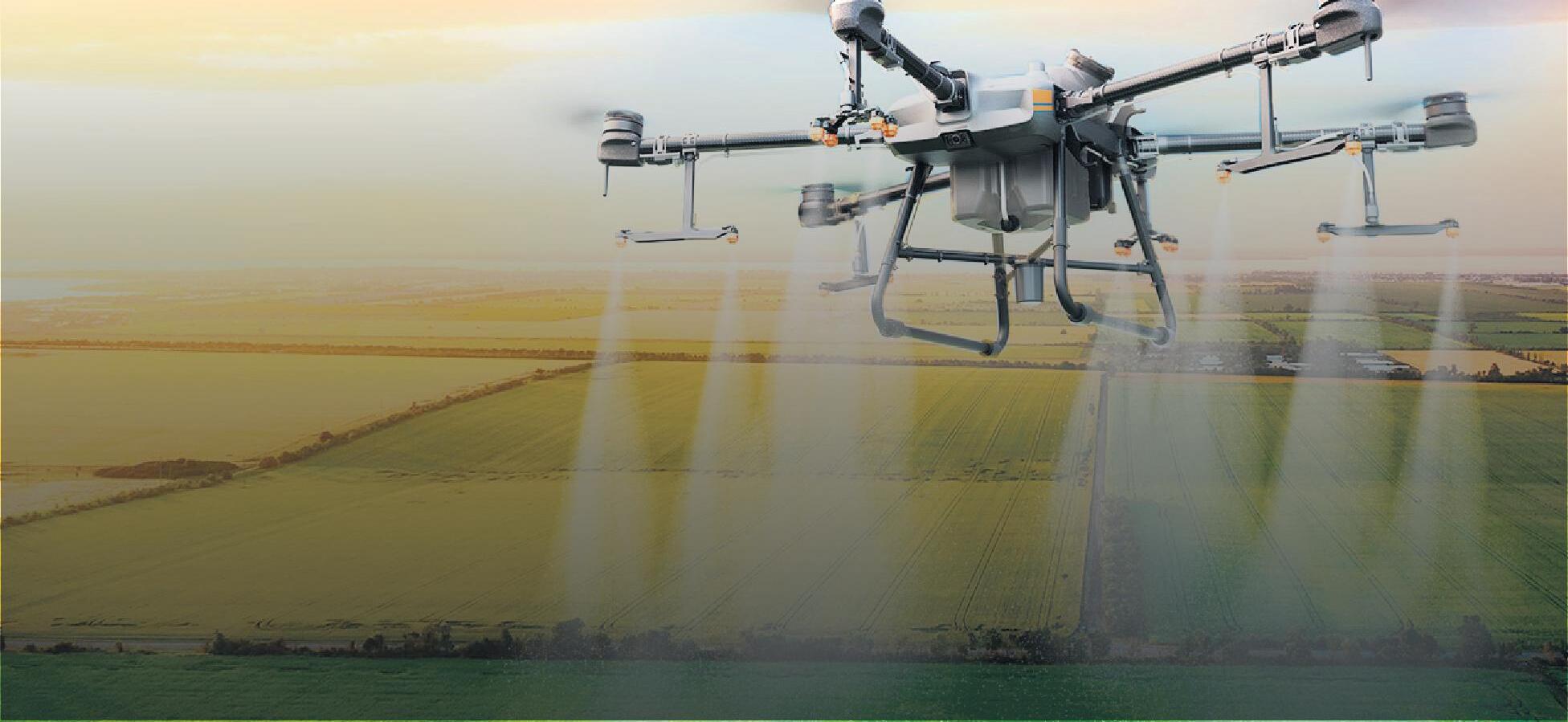
we go up in order to complete the work.” A drone is in the making that can carry more weight, increasing from 170 pounds to 200 pounds, Kuper said. “We’re talking fewer reloads per day,” he said. “That is a cost savings and saves time, too.” Kuper said the farmers and growers he meets at trade shows say they had no idea that drones could be used for crop control. “Drones can solve some perplexing problems,” he said. “And they are not as expensive as the typical ag equipment.”
Kuper said drones are also being used for
things like bridge inspections, looking at power lines and other infrastructure. He said another use is window washing of skyscrapers.
“Drones can spray horizontally,” he said. “And that eliminates sending a person up high to wash the windows. “And the Washington State Department of Transportation is testing using drones as a way to remove graffiti along the highways.”
To contact Kuper, call 888-696-4581 or email info@agdronesnorthwest.com. The website is agdronesnorthwest.com.