Scientific Symposium
University of Manchester
Thursday 25th June 2026

Speaker: Rosie Ashton

1. Foreword 2. Agenda
3. The UK Human Functional Genomics Initiative
4. Guest Speakers
5. Posters
6. Get involved
Foreword
Welcome to the UK Human Functional Genomics Initiative Scientific Symposium 2026!
It is a great pleasure to welcome you to Manchester for this year’s UK Human Functional Genomics Initiative Scientific Symposium. Building on the success of our inaugural meeting in Exeter last June, we’re delighted that this event has become a focal point for researchers, clinicians and industry partners working at the forefront of human functional genomics.
The pace of progress in our field continues to accelerate. Advances in genome engineering, single-cell and spatial technologies, functional screening, stem cell biology, computational genomics and AI are transforming our ability to move from genetic discovery to biological mechanism. Together, these approaches are providing unprecedented opportunities to understand disease biology, identify therapeutic targets, and ultimately improve human health.
Central to our vision is a commitment to open, collaborative and reproducible science, ensuring that data, methods and tools can be shared widely for the benefit of the entire research community. Since our last meeting we have awarded the first round of projects through our Innovation and Collaboration funding scheme. The response to our first funding call was exceptional, and we were able to support a diverse portfolio of collaborative projects. It is particularly exciting to welcome many of those award holders to Manchester and to see the progress already being made. Building on this success, our second funding call, focused on fostering partnerships between academia and industry, is currently open and we look forward to supporting the next generation of innovative functional genomics collaborations.
This year’s programme highlights the breadth and ambition of functional genomics research being undertaken across the UK and beyond. It showcases both established leaders and emerging researchers, reflecting our commitment to supporting scientists at all career

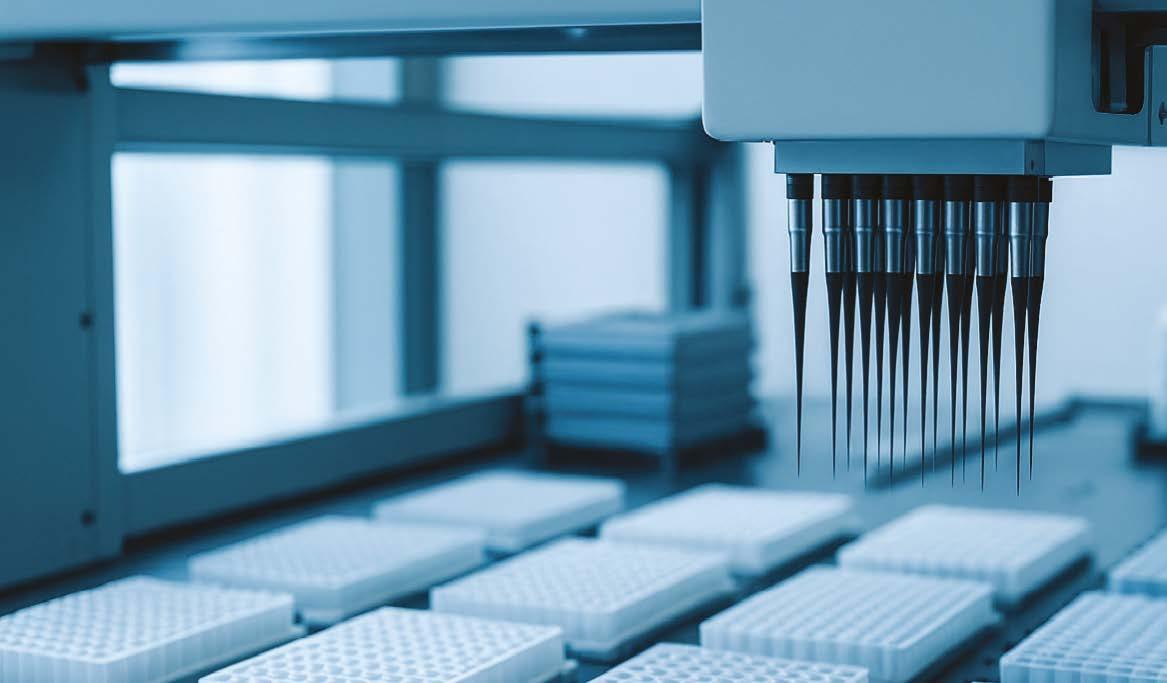
e Functional Genomics Screening Laboratory aims to form collaborations to identify genetic regulators underlying human development and disease
Funding available for academics
Access our automated platform to perform high-throughput phenotypic screening
Advanced human cell models
Screening in stem cells, primary cells, 3D & co-cultures on non-oncology projects
Biannual review process
Next: November 2026 · May 2027 · November 2027
Industry partnership
Opportunities to collaborate on screening projects on a cost recovery basis
We welcome expression of interest and support development of proposals prior to application Apply or learn more
milner.cam.ac.uk/fgsl
fgslapplications@milner.cam.ac.uk

Scan to learn & submit interest

Speaker: Tiffany Morris
Agenda 2
09:00-09:30 Registration
09:30-09:40 Welcome from Jonathan Mill, University of Exeter (FGx Director)
Session 1 – Chaired by Dorothea Seiler-Vallame, University of Exeter
09:40-10:05 Sid Banka, University of Manchester
10:05-10:20 Antigoni Gogolou, Milner Therapeutics (FGx)
10:20-10:45 Ellen McDonagh, Open Targets
10:45-11:15 Break&postersession
Session 2 – Chaired by Sara Guerrisi, King’s College London
11:15-11:20 Alex Vernon, Twist Bioscience
11:20-11:45 Greg Findlay, The Francis Crick Institute
11:45-12:00 Deepak Srivastava, King’s College London (FGx)
12:00-12:25 Poster Flash talks
12:25-13:25 Lunch&postersession
Session 3 – Chaired by Akashaditya Das, Imperial College London
13:25-13:30 Tiffany Morris, Illumina
13:30-13:55 Kristen Brennand, Yale University School of Medicine
13:55-14:20 Stephan Sanders, University of Oxford
14:20-14:45 Joe Marsh, University of Edinburgh
14:45-15:00 Kimberley Reid, Imperial College London (FGx)
15:00-15:30 Break &Poster session
Session 4 – Chaired by Rosie Bamford, University of Exeter
15:30-15:35 Rosie Ashton, Oxford Nanopore Technologies
15:35-15:50 Konrad Rawlik, University of Edinburgh (FGx)
15:50-16:15 Natasha Latysheva & Josh Pan, Google DeepMind
16:15-16:30 Jie Lian, University of Oxford (FGx)
16:30-16:40 Amirpasha Moetazedia, University of Hull
16:40-17:05 Nicole Soranzo, University of Cambridge
17:05-17:10 Closing remarks from Jonathan Mill
17:10-18:30 Drinks Reception


The UK Human Functional Genomics Initiative
About the UK Human Functional Genomics Initiative
The UK Human Functional Genomics Initiative is a nationwide effort to unlock the mechanisms of disease by understanding the functional consequences of diseaseassociated genetic variation. Through a collaborative network that spans academia and industry, the Initiative leverages advanced technologies and data science to accelerate biomedical discovery and improve human health. At its core, the Initiative is committed to open science, shared resources, and enabling reproducible research that benefits the entire genomics community. Funded initially by £28.5M from the MRC and BBSRC, the initiative plans to grow with new clusters and research areas.
Coordination Hub
Based at the University of Exeter, the Coordination Hub provides strategic oversight and operational leadership for the Initiative. It manages data coordination, training opportunities, and funding streams, while actively fostering collaboration and knowledge exchange across the UK’s functional genomics landscape. The Hub works closely with the Initiative’s research clusters, the Data Coordination Centre, and the Functional Genomics Screening Laboratory to drive engagement and innovation across the sector.
Neurodevelopmental Cluster
Led by Oscar Marin and Deepak Srivastava at KCL, this cluster seeks to deepen our understanding of how genetic variation influences brain development and contributes to neurodevelopmental conditions such as epilepsy, schizophrenia, intellectual disability, autism, and ADHD. While genetic studies have linked certain variants to these disorders, many questions remain about how these genes affect brain structure and function.
To address this, the cluster will develop advanced lab-grown brain models known as cortical organoids. These organoids mimic the human cerebral cortex and allow researchers to study how specific cell types respond to genetic mutations. Using genome editing techniques, researchers will manipulate genes linked to disorders and analyse organoid development using single-cell genomics,
Molecular Mechanisms Cluster
Led by Kenneth Baillie in Edinburgh, this cluster focuses on identifying the molecular events that link genetic variation to disease— bridging a major gap in our understanding of human biology. Although thousands of disease-associated variants have been identified over the past two decades, many of their mechanisms remain unknown.
By analysing single cells from surplus tissue donated by patients undergoing surgery or medical procedures, the cluster will generate a comprehensive dataset of molecular signals across diverse tissues—including brain, skin, blood, and lung. These cells will be exposed to experimental stimuli, revealing the biological changes associated with disease. The team will also develop new artificial intelligence tools to extract more detailed insights from each sample.

The UK Human Functional Genomics Initiative
Musculoskeletal Cluster
Led by Dominic Furniss in Oxford, this cluster is tackling some of the most common – and disabling – health conditions by exploring the genetics of bones, joints, cartilage, and soft tissues. Diseases such as osteoarthritis and carpal tunnel syndrome are widespread, yet remain under-researched despite their profound impact on quality of life.
By analysing tissue discarded during surgery, the cluster investigates how genetic variation affects the cellular and extracellular matrix biology that underpins musculoskeletal health. The aim is to connect genetic findings with functional consequences and use this knowledge to identify new therapeutic targets.
A second arm of the research involves building robotic “bioreactors”—devices that mimic the
Protein Post-Translational Modification Cluster
Led by Matthew Child at Imperial, this cluster uses data from the 100,000 Genomes Project to investigate how specific genetic changes –particularly missense variants – affect protein function, with a focus on improving diagnosis for rare diseases. Many of these genetic changes alter the building blocks of proteins, yet their impact on protein activity remains unclear.
By modelling how these changes influence post-translational modifications – chemical alterations that regulate protein behaviour –the cluster will prioritise variants for experimental validation. Using automated high-throughput technologies, hundreds of variants will be tested in living cells. The cluster works closely with the European Bioinformatics Institute and the ProtVar resource to share its findings, supporting the

cfDNA Variant Detection Germline Variant Capture
Profile somatic mutations at the earliest stages of disease research. Custom panels sized for the sensitivity your study demands, from cfDNA to tissue.
Target the exact cancer predisposition genes relevant to your cohort. SNVs, InDels, and CNVs. All in one design.
Why Twist custom panels
Designed around your biology
ctDNA Tracking
O -the-shelf panels often fall short for liquid biopsy MRD. Custom panels deliver the sensitivity and scalability liquid biopsy MRD research demands.
Target the exact genes, variants, and regions that matter for your study. Twist bioinformaticians work with you through every design iteration.
Any variant type, any target
SNVs, InDels, CNVs, fusions, MSI, and structural variants. Custom panels can be designed to capture them all in a single enrichment.
Ready to design your panel?
Somatic Variant Profiling
SNVs, CNVs, fusions, MSI, structural variants. Design a single panel that covers exactly what your tumor type demands.

Speaker: Alex Vernon
ctDNA Enrichment
Capture circulating tumor DNA from cfDNA with high-performing, double-stranded probes. Compatible with your existing library prep workflow.
Blend, expand, or start fresh
Combine content from multiple panels into one design, add spike-ins to an existing panel, or build from scratch. Unprecedented flexibility without sacrificing performance.
Low lot-to-lot variation
Double-stranded DNA probes with NGS-based QC ensure balanced probe representation and minimal dropout for consistent performance across lots.
Our genomics experts are ready to support your research at any stage of your workflow. Scan the QR code or visit twistbioscience.com/products/ngs/custom-panels



The UK Human Functional Genomics Initiative
Functional Genomics Screening Laboratory
Located at the Milner Therapeutics Institute at the University of Cambridge, the Functional Genomics Screening Laboratory (FGSL) is a cornerstone of the UK Functional Genomics Initiative. Designed as both a research space and collaborative hub, the FGSL enables high-throughput exploration of how genes influence complex biological traits and disease mechanisms.
Using cutting-edge technologies such as arrayed CRISPR screening, the FGSL initially focuses on non-oncology diseases – including those affecting the immune, cardiovascular, and respiratory systems —with scope to expand into additional areas. The lab operates in close partnership with academic researchers, industry leaders such
Functional Genomics Data Coordination Centre
The Data Coordination Centre (DCC), based in Exeter, plays a central role in enabling researchers to discover, access, share and reuse data generated across the UK Human Functional Genomics Initiative. Currently the DCC are working closely with funded clusters, partners including EMBL-EBI and BioFAIR, and the Functional Genomics Screening Laboratory (FGSL).
The DCC will offer hands-on support as well as signposting to specialists in other areas of the Initiative alongside ensuring the legacy of data produced by the Initiative with a catalogue of highly annotated datasets. From the outset, the Initiative has embedded FAIR data principles and a commitment to open and

Guest Speakers
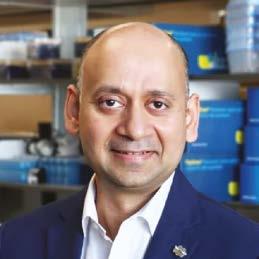
Siddharth Banka
Title: The Residual Function Window of Pathogenicity in Recessive RNUopathies
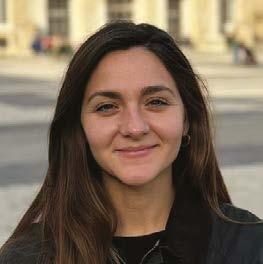
Antigoni Gogolou
Functional Genomics Screening Laboratory
Sid is a Professor of Genomic Medicine and Rare Diseases at the University of Manchester, Consultant Clinical Geneticist at the Manchester Centre for Genomic Medicine, and Clinical Director of the Manchester Rare Conditions Centre.
His work aims to improve the diagnosis, management, and treatment of people with rare conditions.
His research focuses on the discovery, mechanistic understanding, and development of therapeutic approaches for neurodevelopmental and congenital malformation disorders, particularly those involving chromatin regulation and the non-coding genome, including small nuclear RNAs.
He co-leads the Rare Conditions theme of the NIHR Manchester Biomedical Research Centre, the EpiGenRare node of the MRC UK Rare Disease Research Platform, and the NHS England Rare Disease and Functional Genomics Network of Excellence.
Antigoni Gogolou is a Research Associate in the Functional Genomics Screening Laboratory (FGSL) at the Milner Therapeutics Institute, University of Cambridge.
She uses high-throughput CRISPR screening and advanced cell models to explore disease biology and identify novel therapeutic targets.
She holds a PhD in Biomedical Science from the University of Sheffield, where she used human pluripotent stem cell models to study developmental processes in vitro, with a particular focus on enteric nervous system biology.
She is passionate about transforming discoveries into treatments by bridging the innovation of academia with the power of industry.


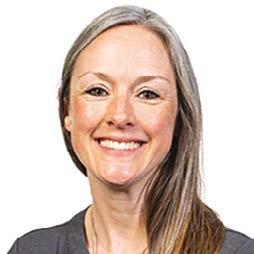
Ellen McDonagh
Title: The role of Functional Genomics in identifying and prioritising targets for drug discovery: Open Targets’ Perspective
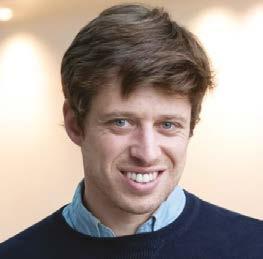
Dr Ellen McDonagh is Translational Informatics Director of Open Targets and a Group Team Lead at EMBL-EBI. She oversees and develops the strategy for Open Targets open source resources and the informatics research programme, working closely with academic and industry partners to identify and prioritise targets in a range of diseases to develop safer and more effective medicines. She also has several research projects she actively leads focusing on understanding under-represented diseases and treatment responses. She was previously Head of Curation and Pharmacogenomics at Genomics England/ QMUL, and a Scientific Curator at the PharmGKB, Stanford University.
Greg Findlay
Title: Mapping variants to functional effects with genome editing at scale
Dr. Greg Findlay leads the Genome Function Laboratory at the Francis Crick Institute.
Greg studied biology at Carleton College before completing MD-PhD training at the University of Washington in Seattle. Working with Jay Shendure, Greg pioneered new genome editing methods to assay variants at scale.
In 2020, Greg started his independent group at the Crick, where his lab explores diverse areas of human genetics. The Findlay Lab has used saturation genome editing to map variant effects across disease genes including BRCA1, VHL, and RNU4-2, and has recently developed new prime editing methods to investigate non-coding variants at scale.

The group’s overarching mission is to facilitate improved patient care through knowledge of how genetic variants impact phenotypes.


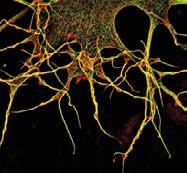

Bioimaging High-resolution
Cytomics


Sequencing
Comprehensive

Mass Spectrometry Precision
Guest Speakers 4

Deepak Srivastava Neurodevelopmental Cluster

Professor Deepak Srivastava co-leads the Neurodevelopment cluster which uses brain organoid models closely mimicking human brain tissue to explore genetic variants associated with neurodevelopmental disorders.
Deepak is a Professor of Molecular Neuroscience at King’s College London. His lab group investigates synaptic biology in health and disease, focusing on the cellular and physiological aspect of disease with a translational focus.
Title: Gene x Environment Interactions in Brain Disease
Kristen Brennand is the Elizabeth Mears and House Jameson Professor of Psychiatry and Professor of Genetics at Yale School of Medicine, and Co-Director of the Yale School of Medicine Science Fellows Program.
Her research combines expertise in human stem cell models, genomic engineering, and neuroscience to identify the complex interactions between genetics and environment that underlie brain development, traits, and disease.
She is passionate about discovery, mentorship, and connecting scientists across disciplines. Her mission is to unravel the mysteries of the human genome within a collaborative, inclusive, and supportive training environment.

As part of her commitment to mentoring the next generation of scientists, she co-directs the Yale School of Medicine Science Fellows Program.
Kristen Brennand
Guest Speakers 4

Stephan Sanders
Title: Therapeutic Genomics: accelerating the development of genetic medicines
Stephan Sanders is Professor of Paediatric Neurogenetics at the University of Oxford, faculty at the University of California, San Francisco, and an affiliate of the New York Genome Center.
His research focuses on autism spectrum disorder and other neurodevelopmental disorders, helping to identify hundreds of associated genes, understand the underlying neurobiology, and develop genetic medicines. He leads several international genomics initiatives and serves on advisory boards supporting patient advocacy groups for rare genetic disorders worldwide.
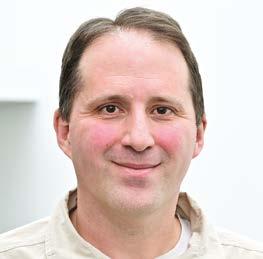
Joe Marsh
Title: Towards mechanism-based variant interpretation in genetic disease
Joe Marsh is Professor of Computational Protein Biology at the MRC Human Genetics Unit, University of Edinburgh.
His research integrates protein structure, population genetics, evolutionary information and high-throughput experimental data to understand how genetic variants alter protein function and cause disease. He has worked extensively on benchmarking and improving variant effect predictors, including identifying sources of bias in widely used methods.
His group also generates and analyses deep mutational scanning datasets to link genetic variation to underlying mechanisms and to








https://www.morphobiotech.com
info@morphobiotech.com

www.neb.com A fast, flexible enzymatic method for gDNA fragmentation, designed for use upstream of Oxford Nanopore Technologies (ONT) and PacBio library preparation and sequencing.
Features:
• Improve your sequencing yield while maintaining high N50 values
• Achieve unbiased fragmentation from 2–30 kb for diverse long-read applications
• Preserve native methylation for downstream epigenetic analyses
• Scale effortlessly with an automation-ready process and flexible input range (250 ng–5 μg)
• Cut costs and simplify workflows by eliminating specialized instruments and consumables
Guest Speakers
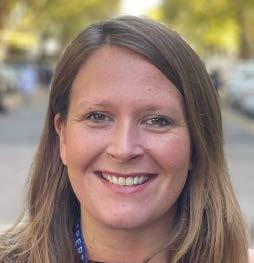
Kimberley Reid Protein Post-Translational Modification Cluster
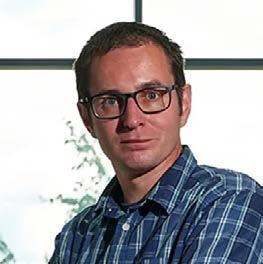
Konrad Rawlik
Molecular Mechanisms
Cluster
Dr Kimberley Reid is a Research Associate in the Child Lab at Imperial College London and part of the UK Functional Genomics Initiative (UK FGx) Protein Post-Translational Modification Cluster.
Her research focuses on defining the functional impact of post-translational modification (PTM) variants in rare disease cohorts within Genomics England’s genomic resource, with the aim of improving understanding of disease mechanisms and patient diagnosis.
She completed her PhD in Molecular Biology at the Royal Veterinary College before undertaking research at the UCL School of
Dr Konrad Rawlik co-leads the Molecular Mechanisms Cluster which investigates the molecular mechanisms of disease using human tissue, genetics and artificial intelligence.
Konrad is a Chancellor’s Fellow at the Baillie-Gifford Pandemic Science Hub, Center for Inflammation Research, University of Edinburgh.
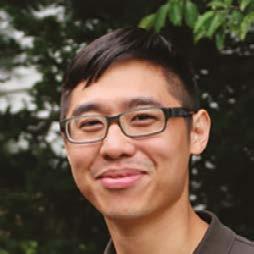
Joshua Pan
Title: Advancing regulatory variant effect prediction with AlphaGenome

Dr. Joshua Pan is a Senior Research Scientist at Google DeepMind. He performed his PhD work at Harvard Medical School on protein biochemistry and epigenetics.
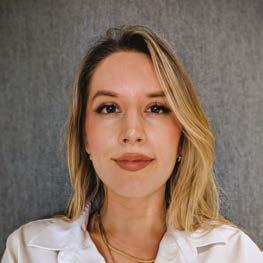
Natasha Latysheva
Title: Advancing regulatory variant effect prediction with AlphaGenome
Dr. Natasha Latysheva is a Senior Research Engineer at Google DeepMind. She did her PhD at Cambridge University on cancer genomics.

Jie Lian
Musculoskeletal Cluster
Jie Lian is a Senior Postdoctoral Fellow at the Deep Medicine Lab, University of Oxford. Her research focuses on precision medicine, medical data science, and AI for health longevity. She works with large-scale electronic health records to identify clinically meaningful subtypes of musculoskeletal conditions within the MSK cluster.
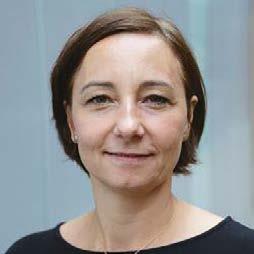
Nicole Soranzo
Title: Population-scale single cell genomics in cohorts with embedded medical record data: from biological to translational insights
Nicole Soranzo is an internationally recognised human geneticist and Professor of Human Genetics at the University of Cambridge.
After two decades as a group leader at the Wellcome Sanger Institute, she moved to Milan in 2021 to help establish Human Technopole, where she is Head of the Population and Medical Genomics Research Centre.
Her research focuses on large-scale genomic analyses to understand how human genetic variation contributes to complex traits and common diseases. This work integrates population-scale genome sequencing, multi-omic profiling, and advanced computational approaches to identify genetic loci and biological pathways underlying disease risk and therapeutic opportunity.
Professor Soranzo has received numerous honours, including Fellowship of the Academy of Medical Sciences, election to EMBO, and the award of an ERC Advanced Grant.

Posters 5
1
Akashaditya Das Imperial College London Expanding CRISPR Oligo Recombineering for the classification of non-coding DNA variants
2 Akshay Bhinge University of Exeter A Scalable Optical Functional Genomics Platform for Target Discovery in Neurodegenerative Disorders
3 Alex Armesilla Bit Bio
4 Alicia Walker University of Oxford
5 Amanda Carr University College London
CRISPR screens in iPSC-derived human neurons and glia for target identification and validation
Medication context shapes pharmacogenetic effects of CYP2C19, CYP2D6 and CYP2B6 on antidepressant switching
Generating a Multiomic Atlas of Systemic and Ocular Ageing
6 Amen Shamim University of Manchester Identification of membrane protein targets for radiosensitisation in Muscle-Invasive Bladder Cancer
7 Amy Roberts King's College London
8 Andrew Condescu University of Exeter
Diminished sex hormone levels influence the risk of skewed X chromosome inactivation
Novel Rare Variants associated with Telomere Length and Idiopathic Pulmonary Fibrosis.
9 Andrew Elmore University of Bristol Building The Human Genotype-Phenotype Map to Harness Pleiotropy and Refine Disease Mechanisms
10 Anke Husmann University of Cambridge Pilot Project For The Fabrication Of 3D Microstructures To Enable High-Throughput Genetic Screening
11 Ann Babtie University of Exeter Single nuclei multiomics to prioritise neural cell types influencing obesity
12 Ayse Demirkan University of Surrey
13 Biju Viswanath National Institute of Mental Health and Neurosciences, Bangalore, India
14 Brent Ryan University of Oxford
Sequence based predictions of PTMs in candidate genes and implications on common traits
The Centre for Brain and Mind: A family-based longitudinal cohort and biobank of major psychiatric illnesses in India
Systematic profiling of genetic and environmental perturbations in Parkinson’s disease using arrayed CRISPRi screening in iPSC-derived neurons
15 Chris Derrick Newcastle University In vivo testing of PTK7 variants associated with Bicuspid Aortic Valve
16 Christina Ernst EMBL's European Bioinformatics Institute
FGx Data Standards & Archiving Workflows
17 Chun Hao Wong University of Cambridge Developing accessible in situ sequencing for optical pooled screening
18 Dammy Shittu UK Dementia Reserch Institute
19 Danheng (Daisy) Yu Imperial College London
Neuromics Explorer: One Platform, Every Dataset, Zero Code
High-throughput prediction and validation of functional allosteric sites
20
Elcid Aaron Pangilinan
UK Dementia Research Institute
21 Elham Khalili University of Surrey
Dementia Data Nexus: Harmonising omics, literature, and gene-level insights for functional discovery
Linking Genetic Variation to Protein Function through PTM Probability-Based Analysis
22 Erica Bello University of Cambridge Development of CRISPR-based epigenome editing in hiPSC-derived microglia
23 Francesco Ricci AstraZeneca
24 Giuditta Viticchie University of Leicester
25 Haotian Zhao Imperial College London
26 Hassan Hassan Hippo Digital & Deoxy Tech
Resolving Variants of Uncertain Significance in Rare Disease: Alkaline Phosphatase and Hypophosphatasia
INTREPID: IN vitro TumouR Explant models for evaluating cancer complexity and PatIent Diversity
Sequence-structure characterization of novel brain transcripts and their variants in the developing human brain
The importance of tokenisation strategies and loss functions in the development and design of genomic models
27 Isabella-Anna Lazaridi University of Exeter Using MaveDB to compare functionally equivalent variants across different Multiplex Assays of Variant Effects to facilitate clinical variant interpretation
28 Kamile Tamusauskaite University of Exeter Trio Haploinsufficiency Impairs Multiple Forms of Synaptic Plasticity in the Mouse Hippocampus
29 Kara O'Driscoll King's College London
Generation of an immunocompetent neural assembloid model
30 Krzysztof Herka University of Cambridge Exploring G-quadruplex roles in cis-regulatory elements
31 Li Ling Lee UK Dementia Research Institute
DataMap: Enabling Data-Driven Discovery through a Curated Biological Knowledge Graph
32 Lydia Haines University of Oxford Model development for studying carpal tunnel syndrome
33 Mae Harris University of Bristol
34 Mallory Freeberg EMBL's European Bioinformatics Institute
35 Marton Olbei Imperial College London
The causal role of maternal metabolites in Gestational Diabetes – A Mendelian Randomisation Study
EMBL-EBI Services Support Human Functional Genomics Data Management
Cytokine network rewiring reveals the regulatory architecture of anti-TNF resistance in Crohn’s disease
36 Matthew Baxter University of Oxford Development of single cell Micro-Capture-C to accelerate the understanding of non-coding GWAS variants
37 Max Tomlinson King's College London
38 Maximilian Sprang University Medical Center of the Johannes Gutenberg University Mainz
39 Nicholas Clifton University of Exeter
40 Nikolai Hecker UK Dementia Research Institute
The ageing human transcriptome: splicing regulation revealed by long-read sequencing in blood
Hidden Quality Imbalances can impact your RNAseq Analysis
Subcellular mRNA localization and transport systems underpin genetic risk architecture in psychiatric disorders
Advancing Dementia Research: Robust and Reproducible Omics Data Infrastructure
41 Oliver Shiels University of Exeter
42 Perry Leung King's College London
43 Philippa Wells University of Exeter
44 Rosa Morra EMQN CIC
45 Rosemary Bamford University of Exeter
46 Ryan Pye Imperial College London
Gene-Enhancer Relationships in Neurodevelopment and Disease
Genetic architecture of treatment-resistant schizophrenia: GWAS, TWAS, and synaptic pathways enrichment analysis across European and East-Asian cohorts
Curation of ATACseq peak sets
External Quality Assessment for Pharmacogenomic Point-of-Care Testing: Enabling Safe Clinical Implementation
Long-read transcriptome sequencing reveals major isoform diversity in the human cortex
Missense3D: An algorithm and webserver for predicting the effect of missense variants in any organism using 3D structures, including AlphaFold2 models
47 Sara Guerrisi King's College London
48 Sarah Dowding Mary Lyon Centre at MRC Harwell
49 Sarah Hassan Imperial College London
50 Sarah Mearns University of Cambridge
Multimodal analysis to characterise abnormal development in TSC1-knockout neuronal progenitors
The MRC Genome Editing Mice for Medicine (GEMM) Programme: Funding, Designing and Producing Bespoke Mouse Models for Your Research
Proteome-wide Discovery of Cell Signal Rewiring in Rare Disease
Developing a scalable arrayed CRISPR screen in human primary keratinocytes: a collaboration between University of Edinburgh and the MRCAZ-UCam Joint Functional Genomics Screening Laboratory
51 Saur Hajiev University of Cambridge / Wellcome Sanger Institute
52 Sevda Boyanova UK Dementia Research Institute
53 Sophie Farrow Department of Physiology, Anatomy & Genetics; University of Oxford
Interaction between germline and somatic variants in steatotic liver disease.
Longitudinal behavioural phenotyping of knockin mouse models of amyloid accumulation in Alzheimer’s disease
Using 3D chromatin profiles to prioritise target genes in sporadic Parkinson’s disease
54 Steve Twigg Oxford University NMGN Congenital Anomalies Cluster: Patient-led functional genomics
55 Sunay Usluer Wellcome Sanger Institute
56 Syed Marwan Bin Syed Jaffar University of Exeter
57 Syed Zayyan Masud Queen Mary University of London
Interaction between germline and somatic variants in steatotic liver disease
Functional Characterisation of Putative NonCanonical Enhancers within Repressive Chromatin Domains
To drug or not to drug: a graph Gaussian process for target prioritisation with calibrated uncertainty and per-gene explainability
58 Taxiarchis Katsinelos University of Cambridge Arrayed CRISPR screening in human intestinal epithelial organoids at the MRC-AZ-UCam Joint Functional Genomics Screening Laboratory (FGSL)
59 Timothy Hall University of Exeter Isoforms of the human prefrontal cortex.
60 Vahid Aslanzadeh The University of Edinburgh A Functional Atlas of Parkinson's DiseaseAssociated Variants in GBA1, PRKN, and LRRK2

The Data Coordination Centre
Come and chat to us at our stand
Aims of the Data Coordination Centre
To accelerate scientific breakthroughs in functional genomics by:
1. Support data standardisation and analysis


2. Enable adoption of indable, ccessible, nteroperable, and …-eusable principles
3. Ensure legacy of data produced by the Initiative
Interested in collaborating with us? Please email: dcc-fgx@exeter.ac.uk
Meet the Data Coordination Centre
Senior Data Lead: Dr Craig Willis
• Leads higher-level strategy and direction of the DCC
Research Data Steward: Dr Dorothea Seiler Vellame
• Assistance in data curation and signpost appropriate data repositories


• Advice on metadata standards to ensure data reusability F I R F A I R
Research Software Engineer: Sam Fletcher
• Support with meeting software development best practices
• CLI tool/script/webapp development R A
Postdoctoral Bioinformatician: Dr Ann Babtie
• Advice on single cell data analysis
• Experience with statistical methods, packages and resources for omics data analysis I R F A I R
Postdoctoral Bioinformatician: Dr Rachael Thompson
• Advice on annotating and standardising workflows to allow code reuse
• A bridge between experimental and computational work A R



Get involved 6
Scan the QR Code to interact with us
Vote for your favourite poster
Please visit the posters on display in Event Space 1 & 2 and vote for your favourite posters using the QR code. There will be prizes for the top-ranked posters.
Discover our funding opportunities
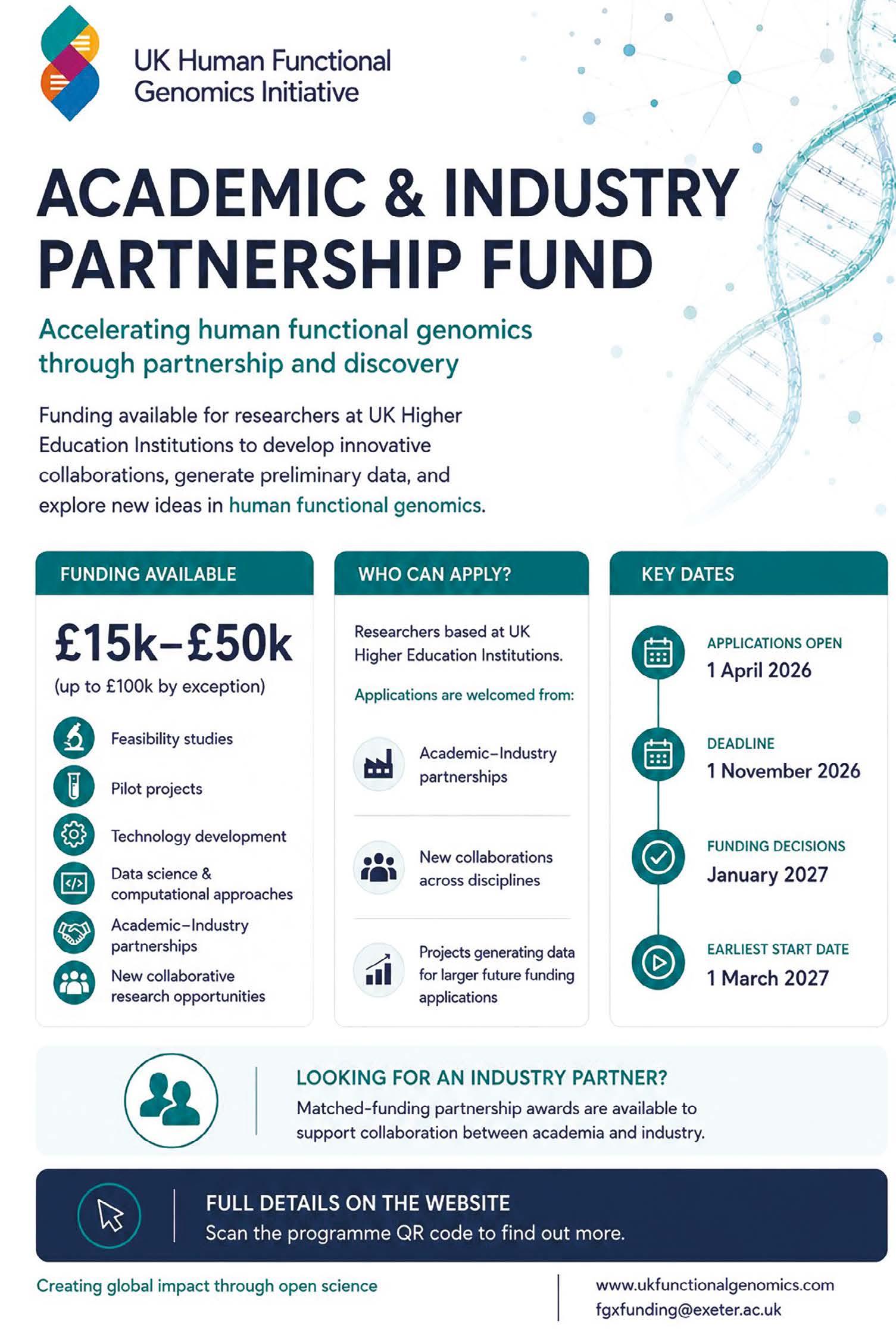
Visit our website to view the webinar containing all of the details about out Academic & Industry Partnership funding, and sign up to be an associate to be the first to hear about our upcoming funding calls.
The webinar will be recorded and made available on the UK Human Functional Genomics Initiative website ukfunctionalgenomics.com
Venue information
All talks will take place in Lecture Theatre B
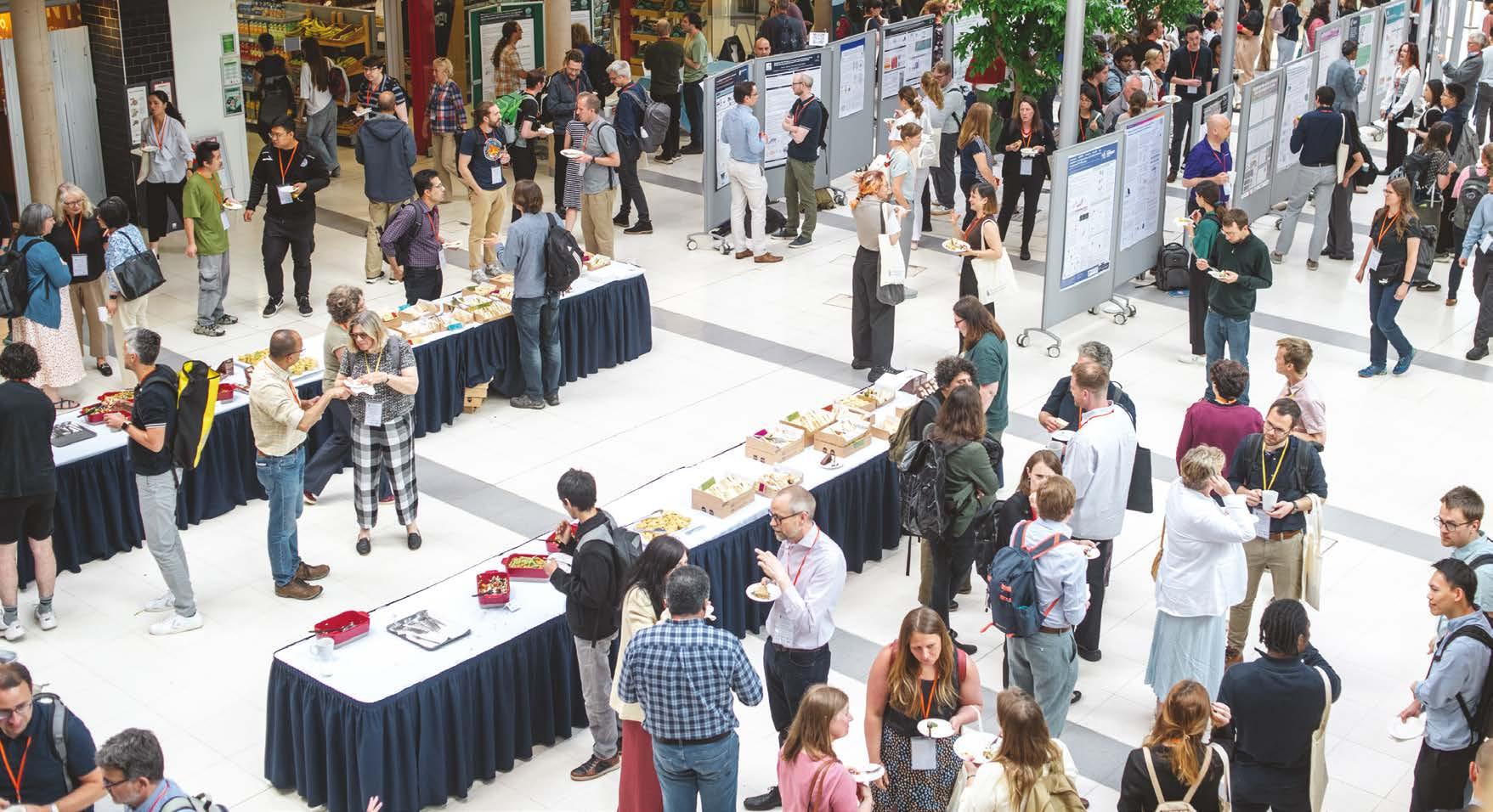
Refreshments during breaks and lunch will be served in Event Space 1 & 2
Please visit our sponsor stands and poster presentation in Event Space 1 & 2

Proteome-wide discovery at the scale of functional genomics
Protein measurements across thousands of samples. Absolute quantification Pricing built for discovery.

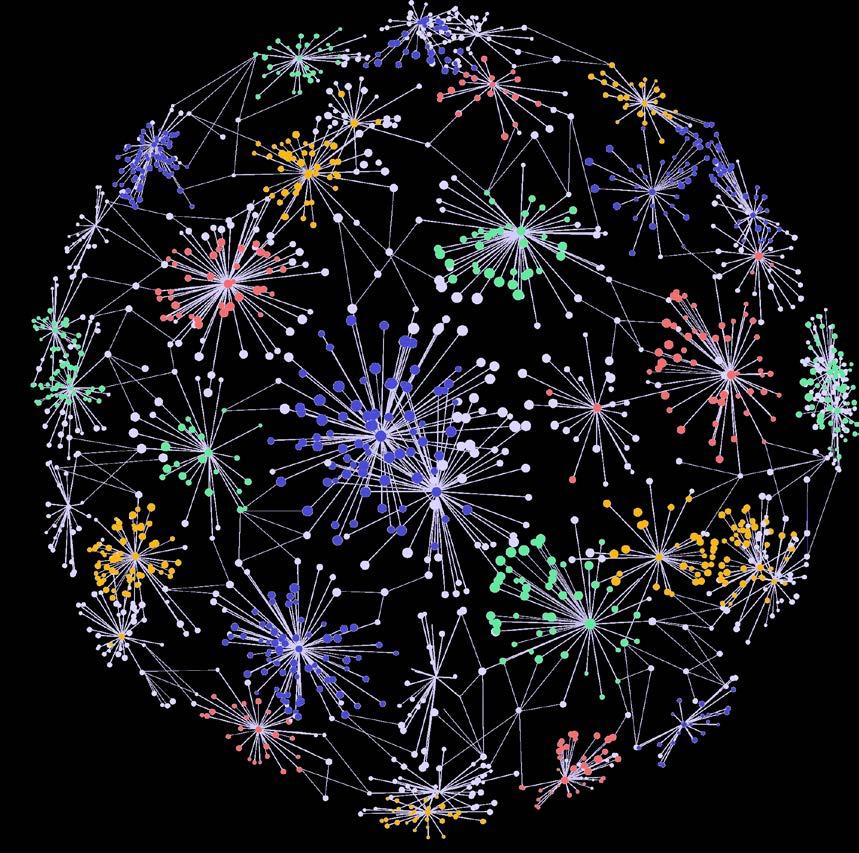
The Nomic Platform makes high-throughput profiling possible for in vitro discovery
Cost-Efficient
Generate large proteomic datasets cost-effectively (~$50/sample), powered studies.


Quantitative & Interoperable
Generate standardized data (pg/mL) that seamlessly integrate across studies and into workflows.
Proteome-Wide & Scalable
Measure over 1000 proteins expertly selected to capture biologically meaningful signals at scale.